How to Fillet a Fish: Step-by-Step Guide for Perfect Fish Filleting Techniques
Filleting a fish involves precise techniques that can greatly enhance the quality of your culinary experience. This comprehensive guide will walk you through the fundamental steps of fish filleting, ensuring that you master this valuable skill. Many enthusiasts struggle with filleting due to a lack of understanding of the proper methods and necessary tools. With this guide, you will learn how to fillet fish efficiently, maximizing the yield and quality of the meat. We will cover essential tools, the step-by-step process of filleting, best practices, common mistakes to avoid, safety tips, and how to store the filleted fish for optimal freshness.
Comprehensive Guide to Filleting a Fish
Understanding basic techniques for filleting fish is crucial for any angler or culinary enthusiast. Filleting refers to the process of removing the flesh of the fish from its bones, yielding clean, boneless portions that are easy to cook and consume. The importance of fresh fish cannot be overstated, as it significantly impacts taste and texture. Moreover, having the right tools at your disposal is paramount to achieving a successful fillet. Throughout this article, you will gain insights into the best practices for fish filleting and tips to enhance your skills.
Essential Tools:
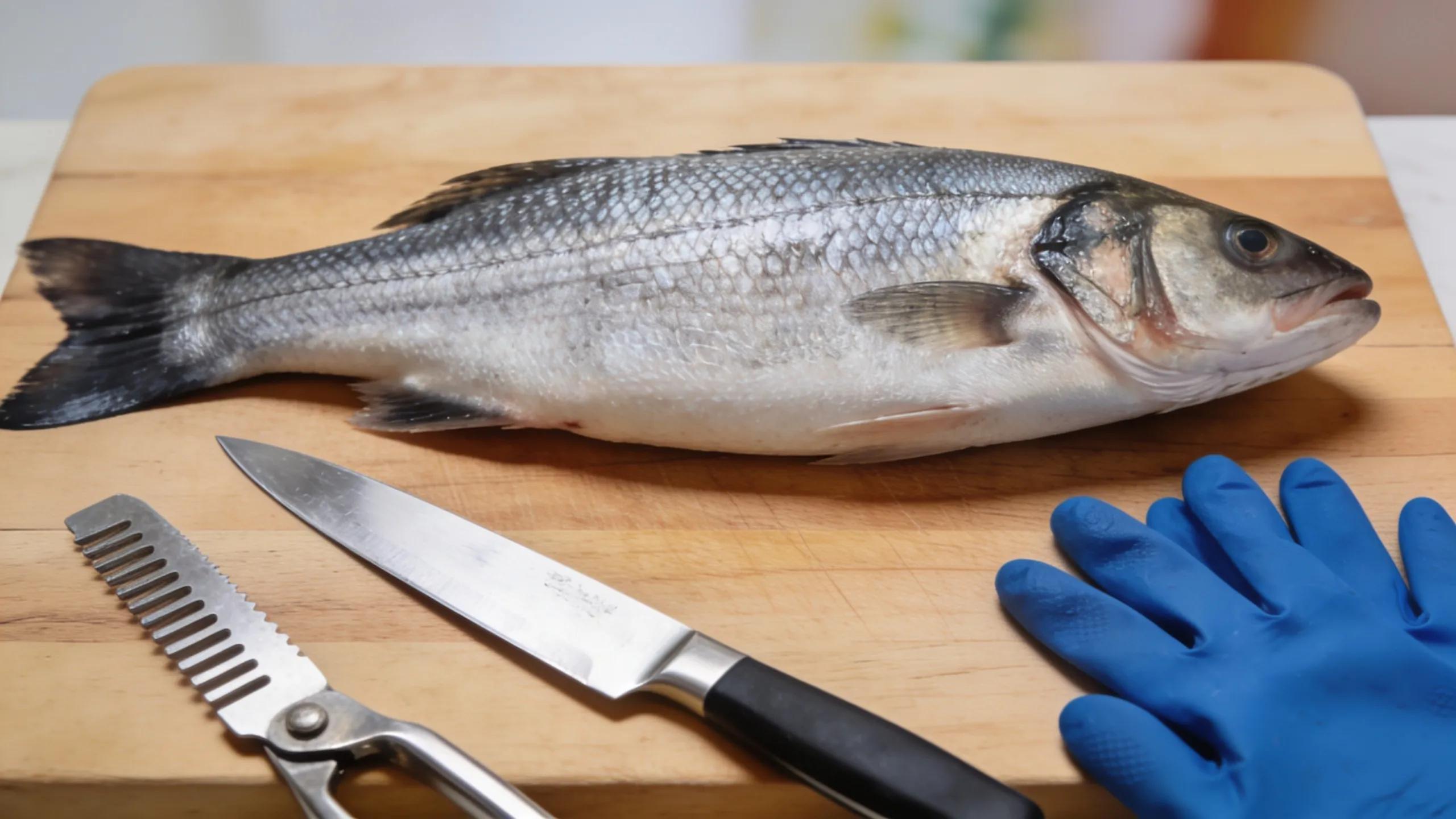
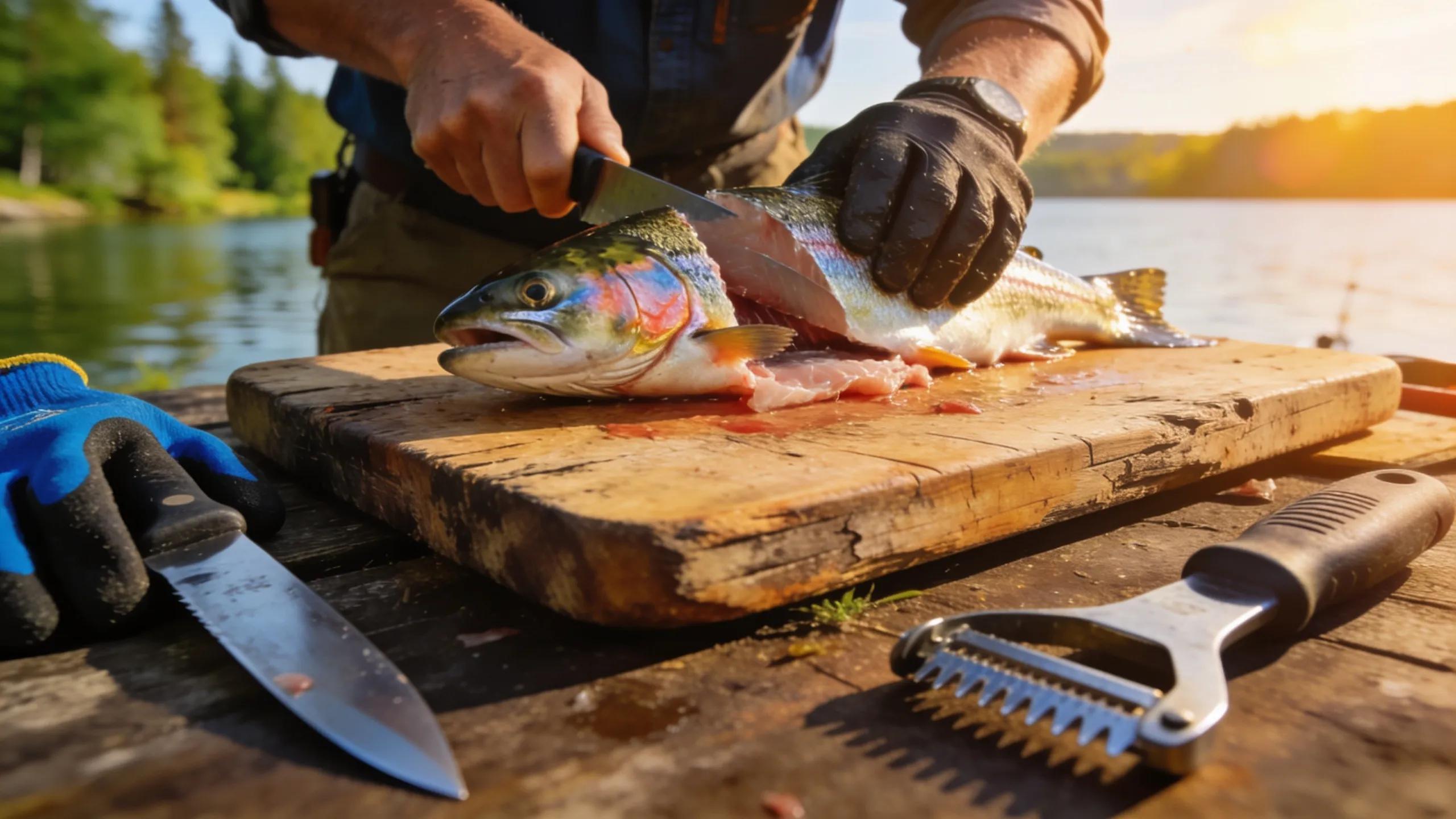
While the art of filleting can be performed with a few basic tools, having the appropriate equipment greatly enhances the process. The right tools not only improve efficiency but also ensure safety and hygiene. Essential tools for filleting fish include:
| Tool | Function | Importance |
|---|---|---|
| Fillet Knife | A sharp, flexible blade (6-9 inches) made from high-carbon stainless steel provides precision in cutting. | Essential for achieving clean cuts and maximizing yield. |
| Cutting Board | A sturdy, non-slip surface, preferably plastic or composite, provides a safe workspace. | Protects kitchen surfaces and allows for easy cleanup. |
| Fish Scaler | Optional tool for removing scales efficiently, making the filleting process smoother. | Ensures a clean fillet without scale residue. |
| Gloves | Latex or nitrile gloves enhance grip and maintain hygiene throughout the process. | Protects hands from sharp tools and maintains cleanliness. |
| Bucket or Cooler with Ice | Keeps fish fresh until it is ready to be filleted. | Essential for maintaining quality and flavor. |
For optimal performance, investing in high-quality, ergonomic tools is advisable. These can be found at specialty stores or online.
Step-by-Step Filleting Process:

Now that you have the right tools, the next step is mastering the filleting process itself. This involves several key steps:
- Preparation: Begin by rinsing the fish under cold water to remove any slime or impurities. Ensure your workspace is clean and organized.
- Making the Initial Cut: Position the fish on the cutting board and insert the knife just behind the gills, angling the knife toward the head.
- Filleting: With one hand holding the head, use the knife to cut down to the backbone. Glide the knife along the backbone, carefully separating the flesh from the bones.
- Removing the Fillet: Continue slicing down to the tail, ensuring the knife remains close to the bones for maximum yield. Repeat on the other side of the fish.
- Final Touches: Remove any remaining bones or skin and rinse the fillets under cold water.
By following these steps methodically, you can achieve clean and boneless fillets with practice.
Understanding proper cutting techniques can drastically improve the amount of usable fish.
Optimizing Fish Fillet Yield & Reducing Waste
blade cutting: low-level fish fillet yield and high-level waste. Even though some machines are designed catfish farming and fillet processing industries (with a total impact of more than
Cutting techniques in the fish industry: A critical review, W Liu, 2022
Best Practices:
As with any skill, certain best practices enhance the fish filleting experience and results. Here are some tips to keep in mind:
- Use freshly caught fish whenever possible to ensure quality.
- Regularly clean your tools and workspace to avoid contamination.
- Take your time during the filleting process; rushing increases the risk of mistakes.
These principles not only apply to filleting but also extend to overall fish preparation and cooking.
Common Mistakes to Avoid:
When learning how to fillet fish, it’s important to be aware of common pitfalls that can hinder your success:
- Using dull knives can lead to jagged cuts and increase the chance of an accident.
- Rushing through the steps compromises precision and results in lower quality fillets.
- Neglecting workspace hygiene can result in cross-contamination and unsafe food practices.

Avoiding these mistakes will contribute to a more enjoyable and safe cooking experience.
Safety Tips:
Safety is paramount when handling knives and raw fish. Keep the following safety tips in mind:
- Always handle knives with care, ensuring your blade’s sharpness does not lead to accidents.
- Clean tools immediately after use to prevent the growth of harmful bacteria.
Following these guidelines will help ensure a safe and effective filleting process.
Utilizing Filleted Fish in Recipes:
Once you have filleted your fish, there’s an abundance of culinary possibilities. Filleted fish can be used in a variety of dishes, including:
- Grilled fish tacos, which combine fresh flavors with easy preparation.
- Fish curry, where fillets absorb rich, aromatic spices.
- Baked fish with herbs and lemon, bringing out the natural flavors with minimal effort.
Using filleted fish enhances your cooking versatility, allowing for experimentation with different cuisines.
Storage for Freshness:

Proper storage of your filleted fish is essential to maintain its quality and prevent spoilage. Here are some tips for ideal storage:
- Store filleted fish in an airtight container in the refrigerator if using within one to two days.
- For longer storage, freezing is recommended. Place the fish in freezer bags, removing as much air as possible to avoid freezer burn.
- Label containers with dates to monitor freshness effectively.
By implementing these storage practices, you can enjoy your filleted fish at its best.