

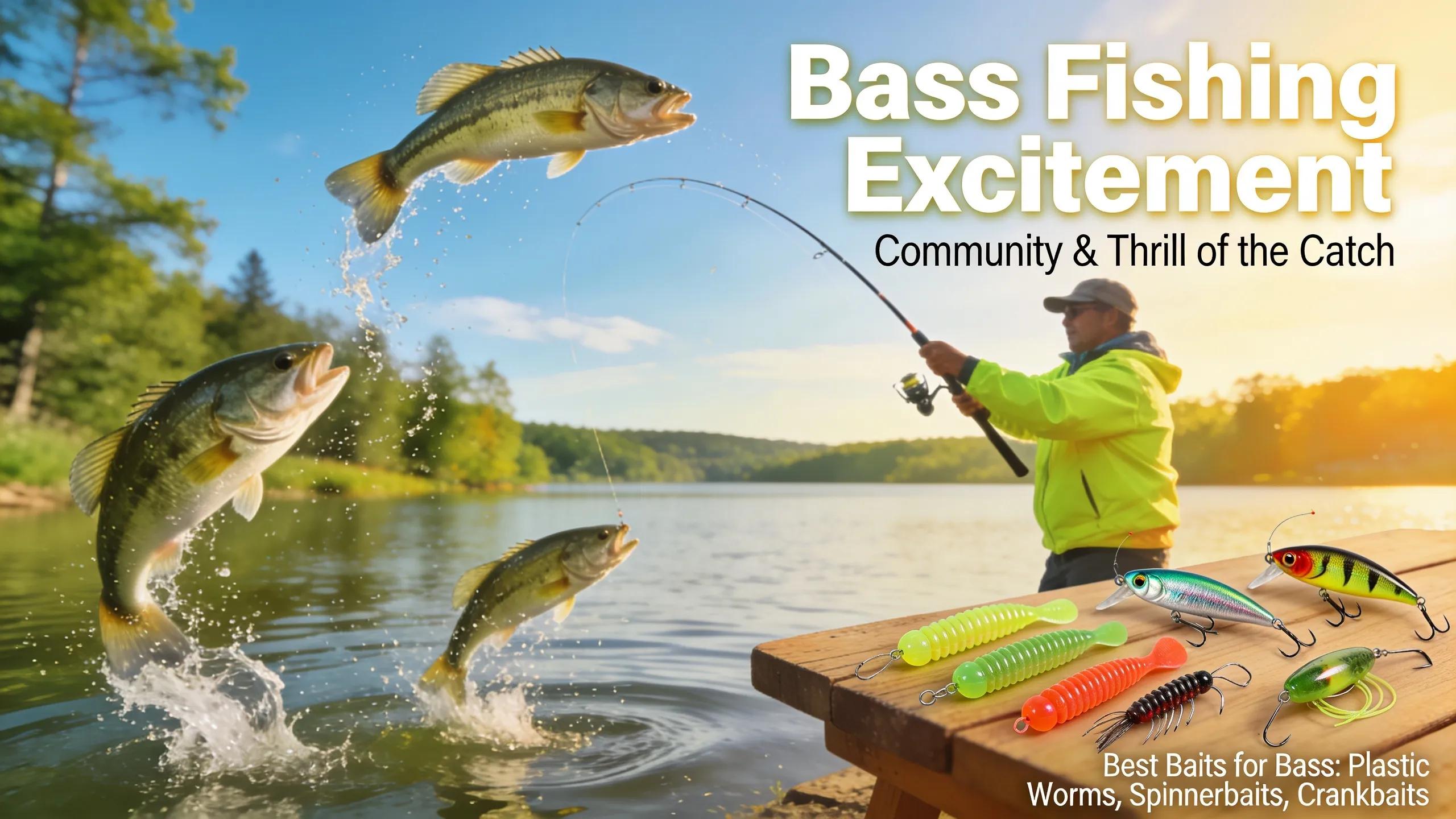
Fishing enthusiasts know that selecting the right bait is crucial for a successful bass fishing experience. In this comprehensive guide, we will explore the best bait types for bass fishing throughout the year. Understanding the seasonal variations in “bass behavior” can significantly impact your fishing strategy and overall success. Many anglers face the challenge of determining which baits to use across different seasons. This article aims to provide insights and practical advice on choosing the best baits based on seasonal conditions and bass behaviors. We will cover the types of baits suitable for each season, effective strategies for bait selection, and expert tips to enhance your bass fishing techniques.
What Are the Best Bait Types for Bass Fishing Across Seasons?
When it comes to bass fishing, knowing the best bait types according to the season is essential. The performance of various baits can change dramatically depending on the time of year. Factors such as water temperature, bass activity levels, and food availability influence which baits will be most effective at any given time.
How Do Live Baits Perform in Different Bass Fishing Seasons?
Live baits are an excellent choice for bass fishing in spring and summer since bass are more active during these warmer months. Crawfish and minnows are especially effective due to their natural presence in many freshwater bodies. In fall and winter, however, live baits may still be used but might require more strategic presentation techniques, as bass become less aggressive and more lethargic.
Why Are Plastic Worms Popular Bass Lures Year-Round?
Plastic worms are a versatile bait choice that remains effective year-round. Their ability to mimic various prey makes them appealing to bass regardless of seasonal changes. Techniques for using “plastic worms” include dragging them along the bottom in spring and summer and employing a slow retrieve during fall and winter when bass are less active.
How to Choose Seasonal Bass Lures for Spring, Summer, Fall, and Winter?
Choosing the right lures for each season involves understanding the preferences and behaviors of bass at different times of the year. During spring and early summer, bass tend to feed aggressively; hence, topwater lures and spinnerbaits are often recommended. As water temperatures increase, crankbaits can be particularly effective in presenting a suitable meal.
Integrating community discussions surrounding bait preferences can also provide insights into effective selections. Engaging with fellow anglers can enhance your knowledge base and offer additional strategies tailored to specific regional conditions.
Which Crankbaits Work Best for Bass in Spring and Summer?
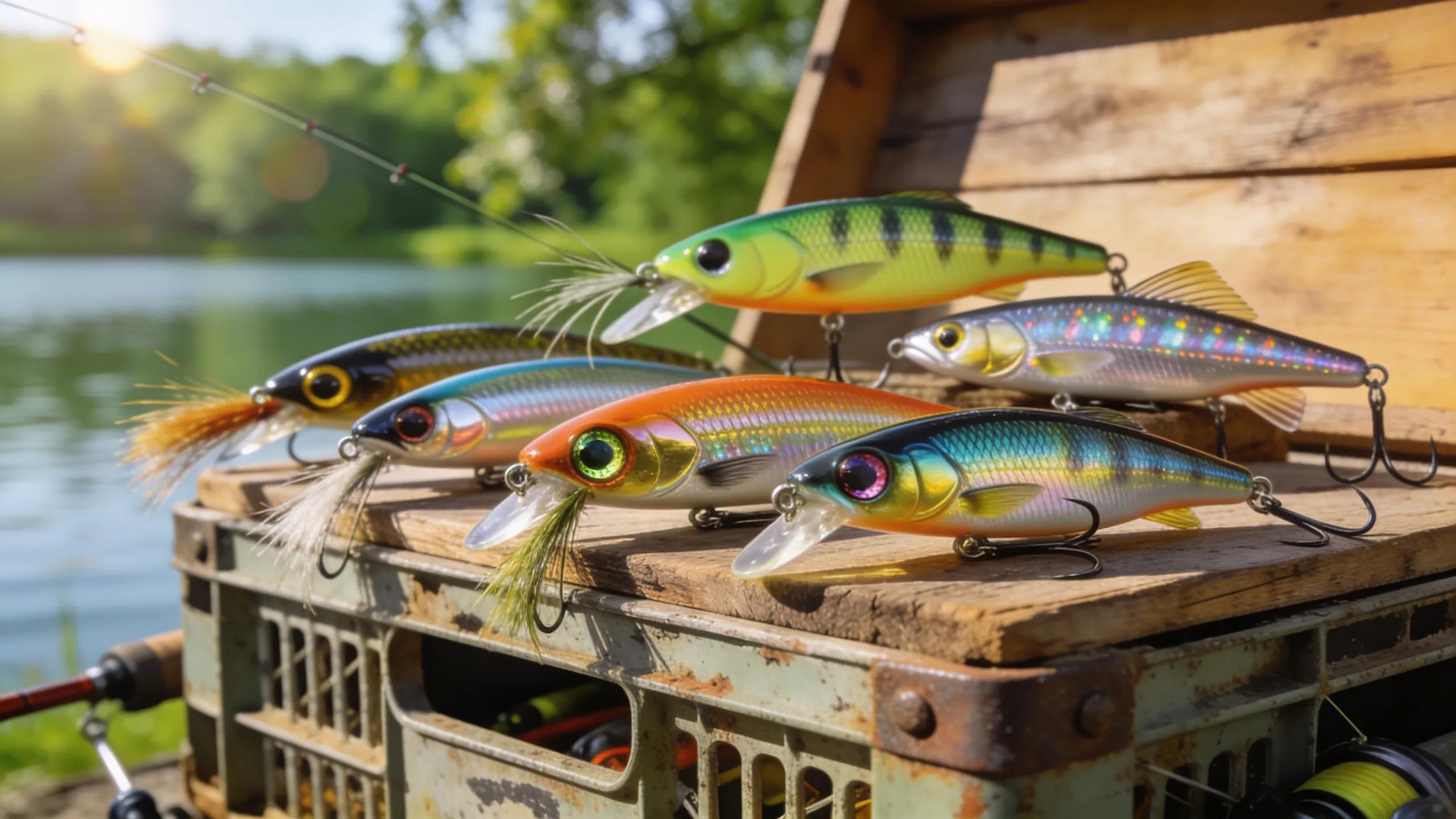
When selecting crankbaits for spring and summer, lures that dive to specific depths are ideal. Shallow-diving crankbaits are suitable for early spring when bass are shallow, while medium and deep-diving crankbaits can reach fish during the warmer months when bass move to various depths based on water temperatures.
Research suggests that the specific action and movement patterns of crankbaits significantly influence how frequently bass will strike at your lure.
Crankbait Effectiveness: Boosting Bass Strike Rates
The hypothesis is that if a Crankbait is used, then there will be more strikes from Micropterus salmoides and Lepomismacrochirus than other baits due to the crankbait’s increased movement. Effectiveness of different types of fishing lures, 2026
What Are Effective Bass Bait Strategies for Fall and Winter?
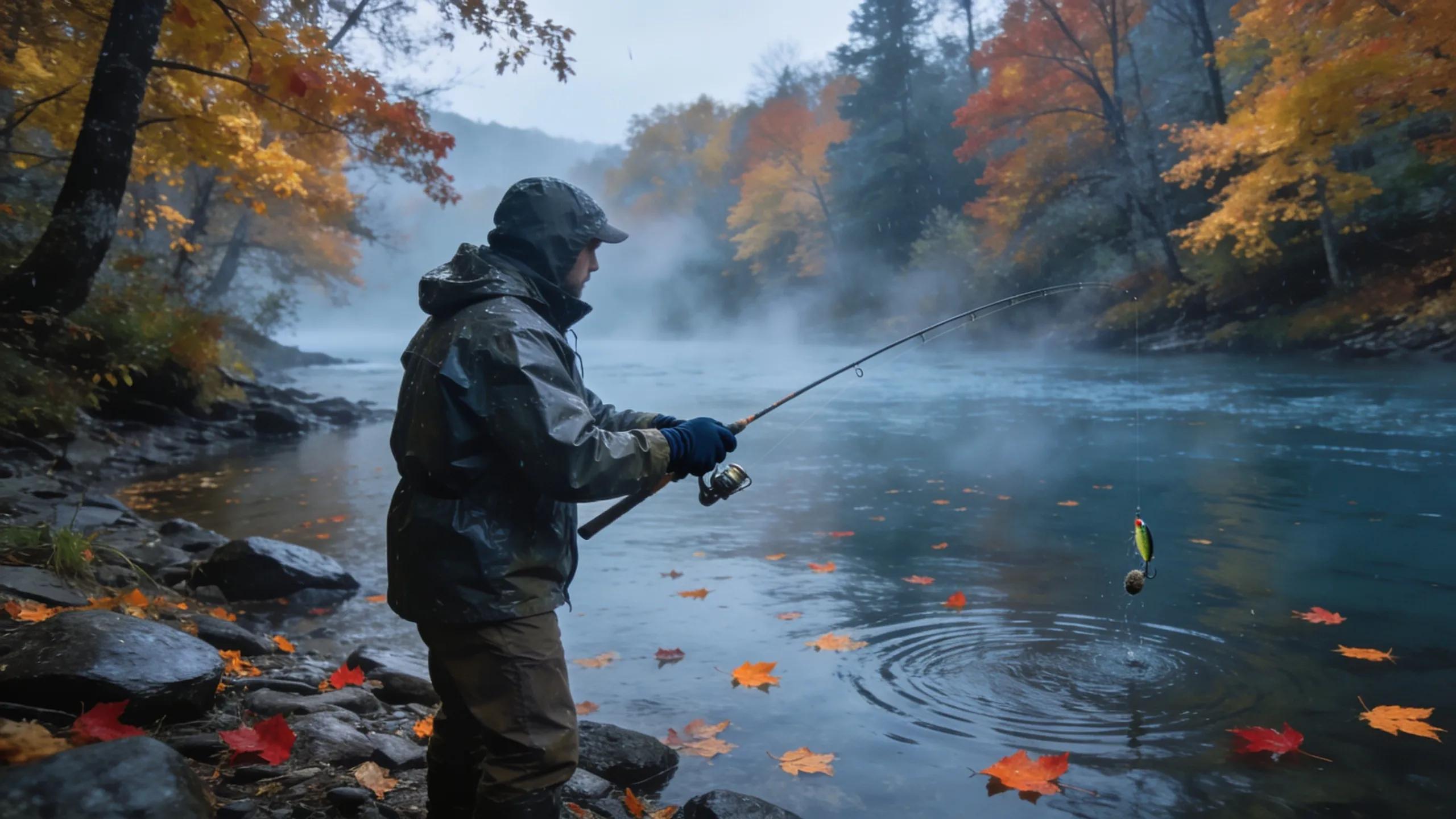
As temperatures fall, bass behavior changes dramatically. They become less aggressive and will often prefer slower-moving baits. Strategies such as employing “jigs” with subtle movements or using live bait present a more appealing choice. Understanding these seasonal patterns can help anglers achieve better results.
How Does Water Temperature and Environment Affect Bass Bait Choice?
Water temperature is one of the critical factors that affect bait choice. Warmer water temperatures typically increase bass activity, prompting baits that imitate quicker-moving prey such as shad and minnows to be more effective. Conversely, in colder temperatures, slower and more natural baits become necessary as bass conserve energy.
How Do Bass Habitat Conditions Guide Bait and Lure Presentation?
Different habitat conditions dictate how baits should be presented. Key factors like light penetration, oxygen levels, and cover availability can change bass feeding behavior. In clear water, more natural colors and subtle movements can yield better results, while murky waters might call for brighter colors and more aggressive action to attract attention.
What Are Expert Tips for Using Top Bass Fishing Lures Effectively?
To optimize your bass fishing experience, consider these expert tips for using popular lures:
- Presentation Techniques: Adjust your retrieval speed and method according to water conditions and the season.
- Color Selection: Match lure colors to local forage; use natural shades in clear waters and bright colors in murky conditions.
- Movement Patterns: Incorporate erratic movements when retrieving baits to mimic the injured prey that bass find irresistible.
The strategic use of these tips can significantly improve your success rate while fishing for bass during any season. Understanding the nuances of bass behavior and preferences ultimately leads to a more rewarding fishing experience.