

How to Tie a Fishing Hook: 4 Easy Knots for Beginners
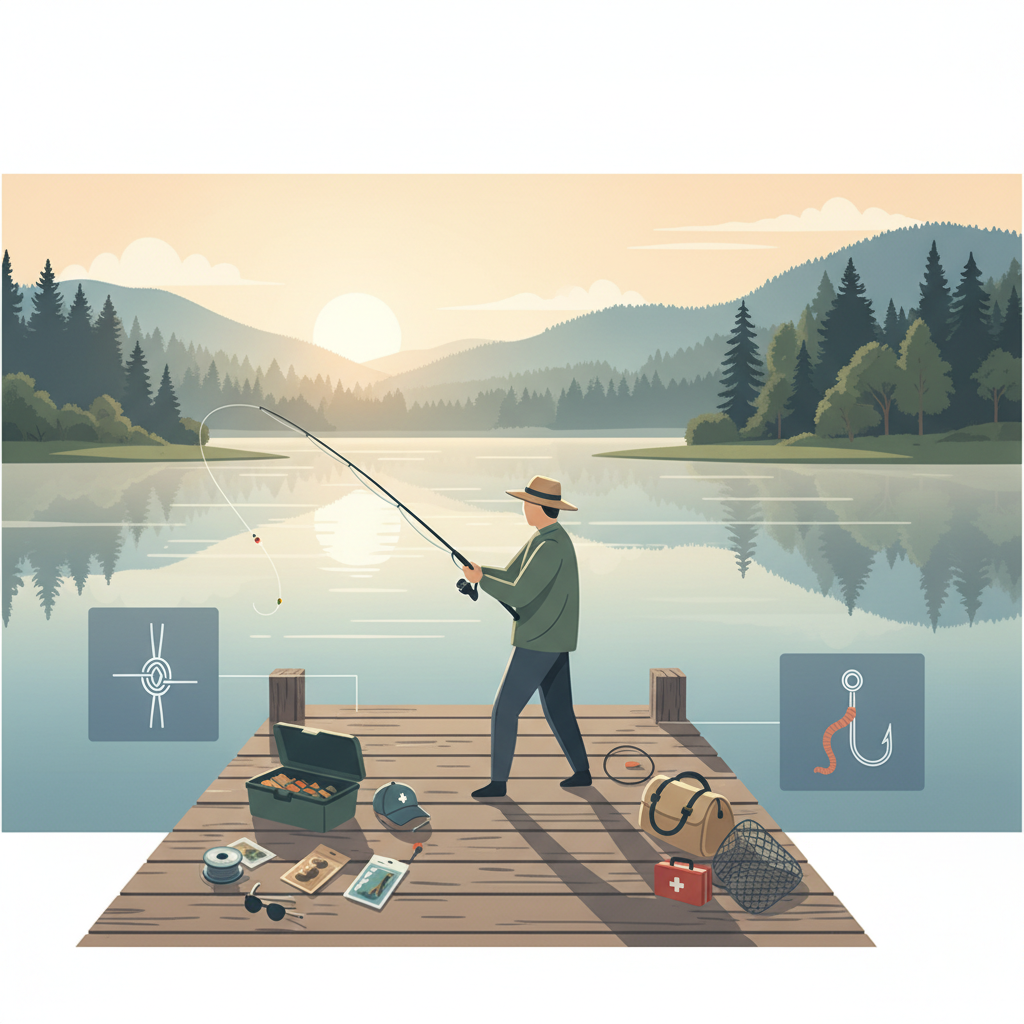
Tying a fishing hook effectively is crucial for beginner anglers aiming to catch their first fish. Understanding the right knots not only ensures your bait is secure but also enhances your chances of landing a catch. In this guide, we will explore how to tie a fishing hook using four beginner-friendly knots: the Improved Clinch Knot, Palomar Knot, Uni Knot, and Loop Knot. Each knot has its advantages in various fishing scenarios, making it essential for any angler to master them early on. From the basics of knot tying to practical advice, this article provides a comprehensive overview that will prepare you for your next fishing adventure.
Four Easy Fishing Knots for Beginners
Mastering fishing knots is key to ensuring your gear performs effectively on the water. Each knot serves a unique purpose, whether for securing hooks, connecting lines, or achieving optimal bait movement. Here, we introduce four knots every beginner should learn, along with techniques to tie them safely and securely.
Improved Clinch Knot
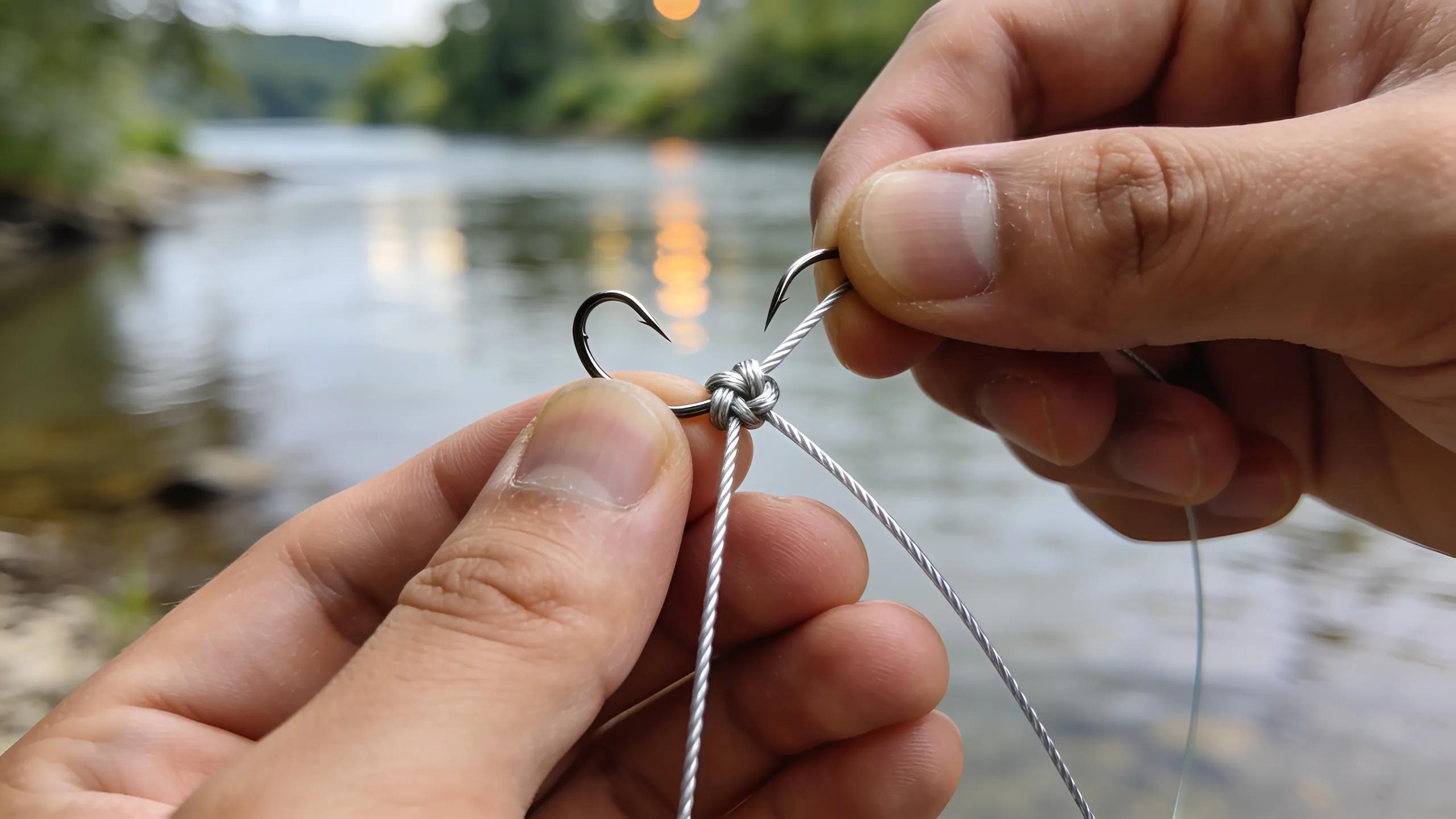
The Improved Clinch Knot is a classic choice, ideal for securing a hook to a fishing line. It is straightforward to tie, making it perfect for beginners.
- Start by threading the line through the eye of the hook.
- Wrap the line around itself five to seven times.
- Pass the end of the line back through the small loop near the hook.
- Finally, pull all parts of the line to tighten the knot securely.
This knot is particularly effective for various fishing scenarios, offering both strength and reliability. For those interested in further resources, Information Hub is a great platform to explore discussions about complementary fishing techniques and knot-related tips.
Palomar Knot
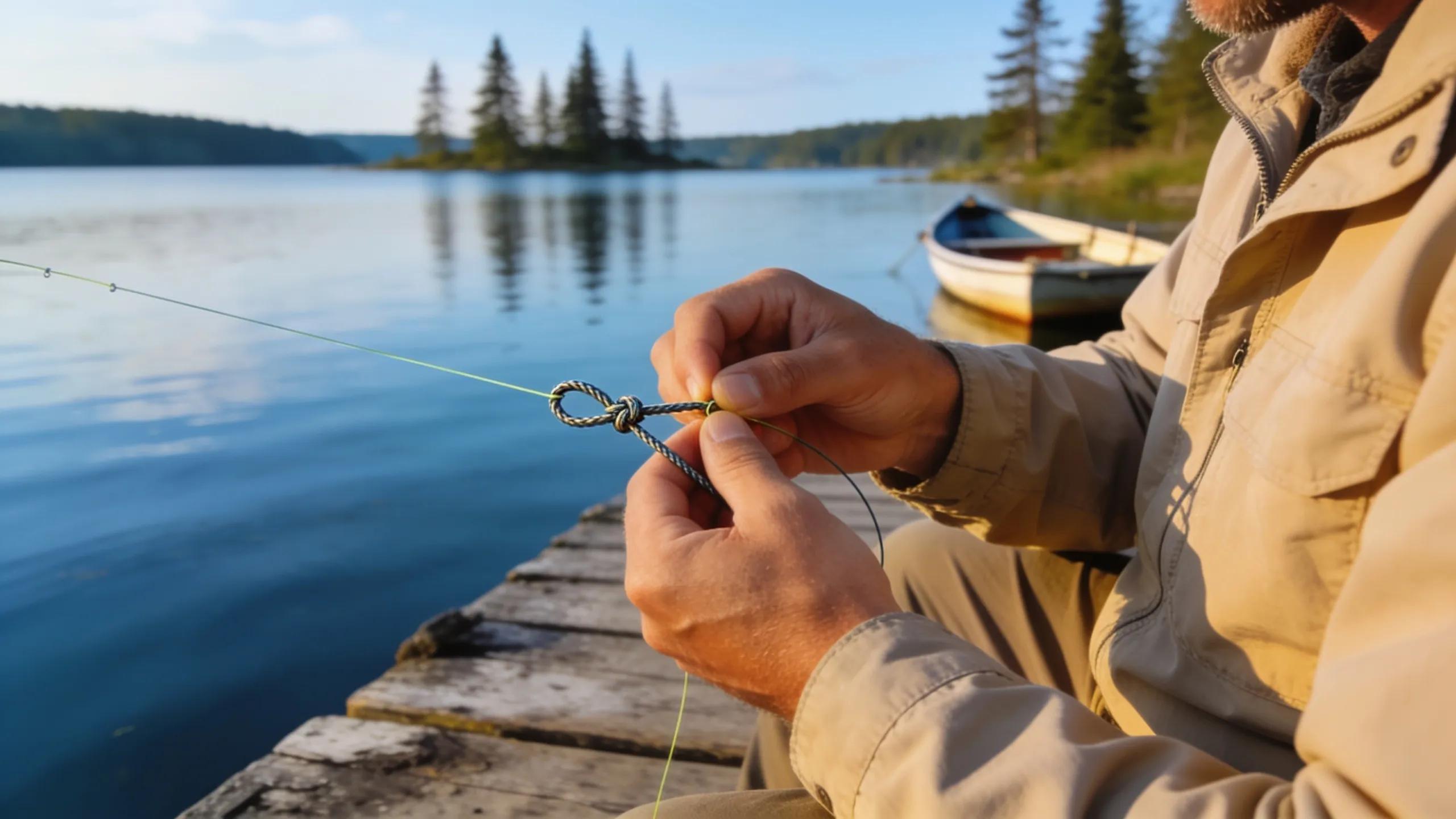
The Palomar Knot is celebrated for its strength and simplicity, making it one of the best knots for securing hooks, especially with braided lines.
- Begin by doubling the line back on itself.
- Pass the loop through the eye of the hook.
- Tie an overhand knot with the loop.
- Pull the loop back through the knot, then tighten.
Many anglers find that the Palomar Knot not only offers excellent strength but also is versatile for different types of fishing lines. Anglers who have used this knot often report successful experiences, enhancing their confidence as they venture out into various fishing environments.
Uni Knot (Grinner Knot)
The Uni Knot, also known as the Grinner Knot, is valued for its adaptability, connecting two lines together or securing a hook.
- Thread the line through the eye and create a loop.
- Wrap the end of the line around the standing line and the loop about five times.
- Pass the end of the line through the loop you created.
- Moisten the knot and pull to tighten.
This knot is highly effective for both monofilament and braided lines, making it a favorite among experienced and novice anglers alike. Its flexibility means you can tie it in multiple situations, adding to its usefulness in your fishing toolkit.
Loop Knot
The Loop Knot is particularly useful for allowing bait or lures to move naturally in the water, which can entice fish more effectively.
- Create a loop in the line.
- Pass the end of the line through the loop.
- Wrap it around the standing line several times.
- Pass it back through the original loop and tighten.
Utilizing the Loop Knot ensures that your bait can move freely, mimicking the natural movement of a fish. This added action can be a significant advantage when trying to attract fish in a competitive environment.
General Tips for Successful Knot Tying
Tying fishing knots can be tricky, but mastering the basics will significantly enhance your angling experience. Here are some general tips to ensure your knots are secure and effective:
- Practice Regularly: Knot tying is a skill that improves with practice. Set aside time to practice each knot at home before hitting the water.
- Ensure Security: Always pull on both ends of the line after tying the knot to ensure it’s secure. A loose knot can lead to losing your catch.
- Avoid Common Pitfalls: Beginners often overlook the importance of moistening knots before tightening them. This reduces friction and prevents line damage.
By following these simple tips, you’ll develop confidence in your knot-tying skills, increasing your success on fishing trips. For those looking for more support, don’t hesitate to explore additional learning resources at Information Hub that provide tips on fishing gear and techniques.