

Filleting a fish is a fundamental skill that every angler should master, not only to enjoy the fruits of their labor but also to ensure the best preparation for cooking. This comprehensive guide breaks down the entire process of fish filleting, covering essential techniques, tools, and best practices that will transform you into a skilled angler. Many anglers struggle with properly filleting fish, leading to wasted flesh and unsatisfactory cooking experiences. By learning the proper techniques, you can enhance your culinary skills and make the most of your catches. This article will explore the step-by-step guide to filleting a fish, the best tools for the job, essential fish anatomy basics, safety practices, and proper storage methods to keep your fillets fresh.
Step-by-Step Guide to Filleting a Fish
Filleting a fish involves a series of methods that require precision and care. The process begins with selecting the right tools and understanding the anatomy of the fish to achieve clean cuts. Each step in the filleting process is important for ensuring quality results, and by mastering these techniques, you can greatly improve your efficiency and effectiveness in the kitchen.
Essential Tools
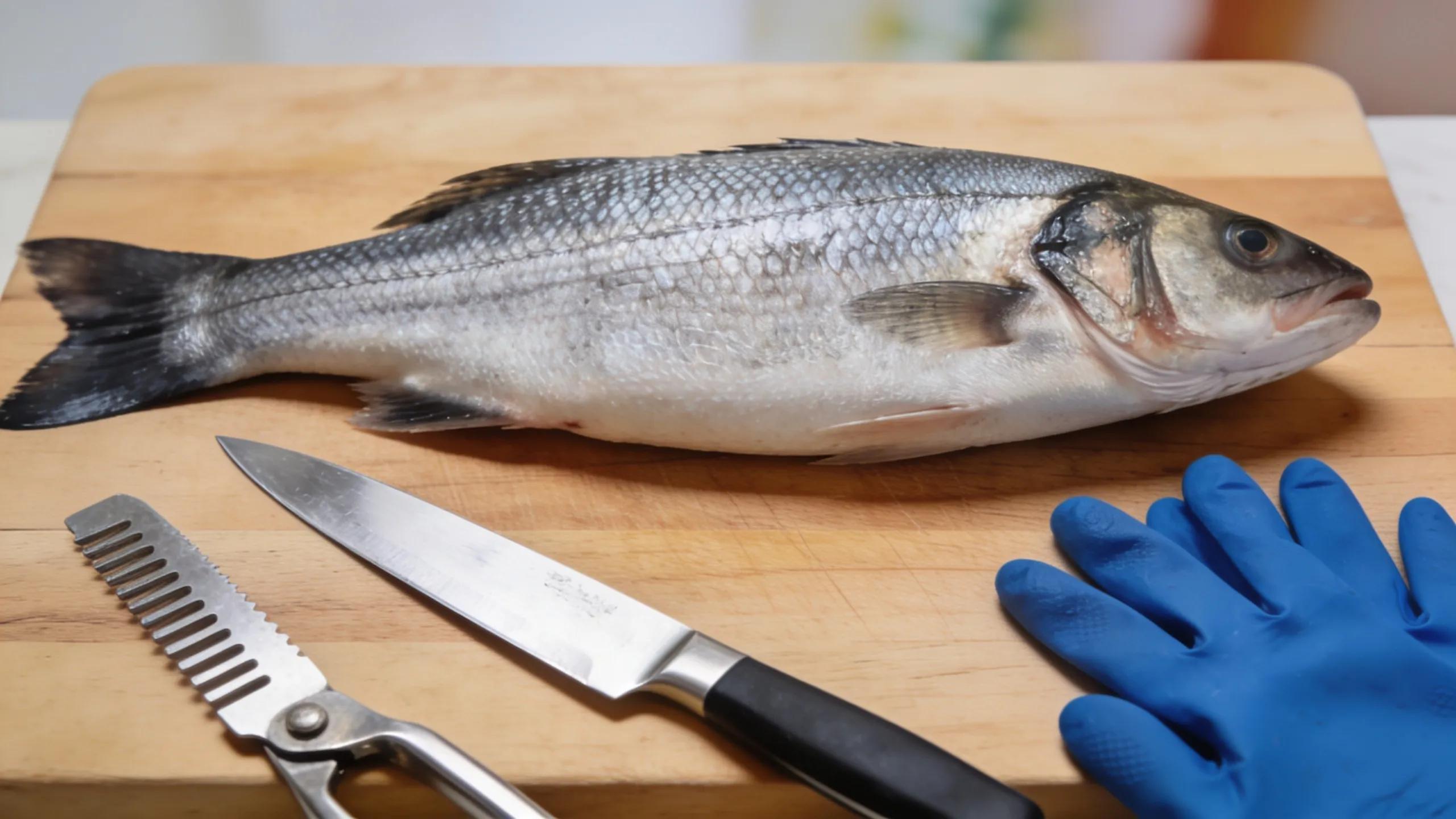
To fillet a fish effectively, having the right tools is critical. Here’s a list of essential items every angler should have:
Understanding the tools you need enhances safety and efficiency during the filleting process. Now let’s dive into the detailed steps involved.
Step-by-Step Filleting Process
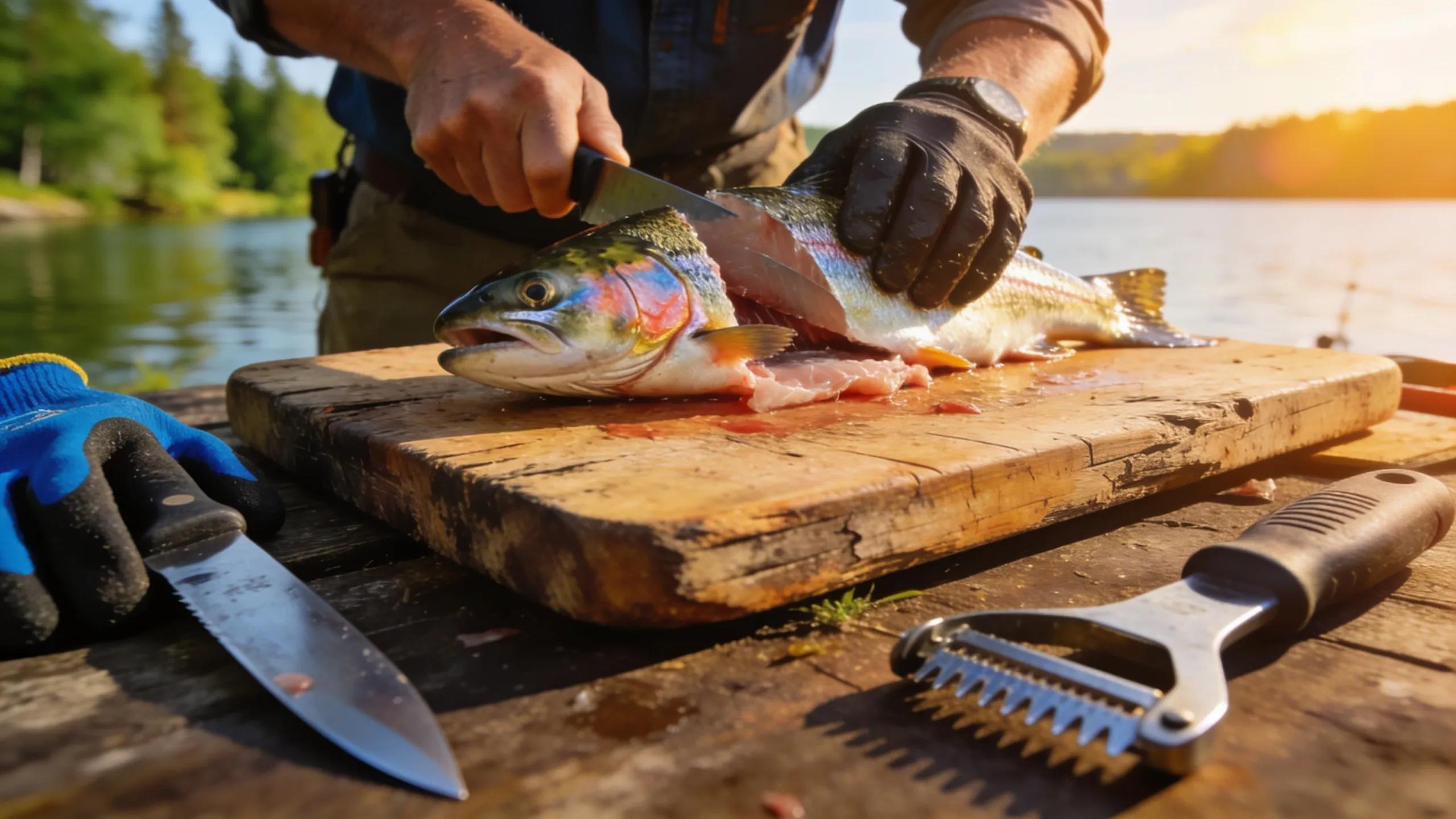
The actual fish filleting process requires practice and attention to detail. The steps outlined below provide a framework for filleting most fish types:
- Preparation: Start by placing the fish on its side on a cutting board. Use your fillet knife to make an incision behind the gills to start the cut.
- Scaling: If not done beforehand, use the fish scaler to remove any scales, particularly around the head and belly.
- Gutting: Insert the knife into the belly and make a delicate cut without piercing too deep to avoid damage to the organs.
- Filleting the Fish: Angle the knife to slide along the bones, separating the flesh from the skeleton. This requires a fluid motion with the blade, following the contour of the fish.
- Removing the Skin: If you prefer skinless fillets, use the knife to help detach the skin from the flesh at the tail, moving towards the head.
- Final Rinsing: Once you have your fillets, rinse them under cold water to remove any blood or residual scales. Pat them dry with paper towels to prepare for cooking or storage.
Now that you understand the fundamental process of fish filleting, let’s look into how you can ensure best practices throughout the procedure.
Best Practices
To maximize your fish filleting skills and maintain safety during the procedure, consider the following best practices:
- Maintain Freshness: Always prioritize using freshly caught fish, as freshness affects the flavor and quality of your fillets.
- Hygiene Practices: Keep your workspace clean and wash your tools thoroughly after each use to prevent contamination.
- Practice Filleting Techniques: Regular practice on different fish species will help you refine your skills and become more efficient.
Understanding these practices not only improves your efficiency but also enhances the quality of the fish you serve.
What Tools and Knives Are Best for Filleting Fish?
Using the right type of fillet knife is essential for successful fish preparation. Different knives serve various functions, catering to the needs of different fish species and sizes. Selecting the appropriate knife based on the type of fish you are filleting will enhance your efficiency significantly.
Which Types of Fillet Knives Should Anglers Choose?
When selecting a fillet knife, consider the following types:
- Flexible Fillet Knives: Ideal for larger fish, these knives allow for greater maneuverability around bones.
- Stiff Fillet Knives: These are better for smaller fish and provide more precision but with less flexibility.
- Electric Fillet Knives: These can speed up the process significantly, but require careful handling and practice to master.
Selecting the appropriate knife based on the type of fish you are filleting will enhance your efficiency significantly.
How to Prepare and Maintain Your Filleting Tools Safely?
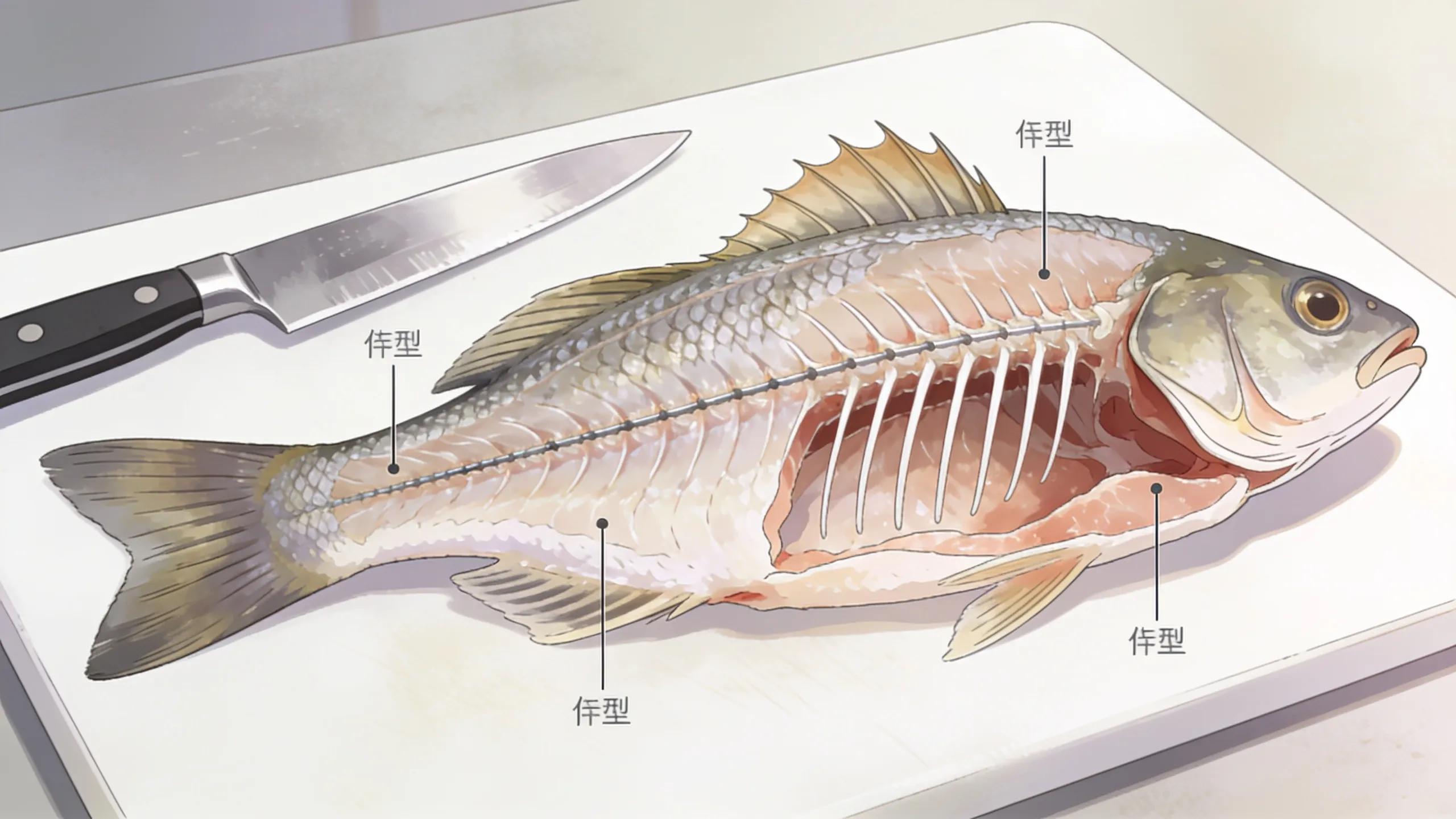
Maintaining your filleting tools is as important as choosing the right ones. Proper preparation and upkeep ensure that your knives remain effective and safe to use.
- Cleaning Methods: Always wash your fillet knives with hot, soapy water immediately after use to prevent rust and bacterial growth.
- Storage Suggestions: Store your knives in a designated space with sheaths or magnetic strips to prevent blade damage.
- Regular Maintenance Routines: Keep your knives sharp by honing them with a whetstone regularly, ensuring clean cuts with minimal pressure during filleting.
This attention to tool care will pay off in both quality and safety when you fillet a fish.
What Are the Essential Fish Anatomy Basics Every Angler Should Know?
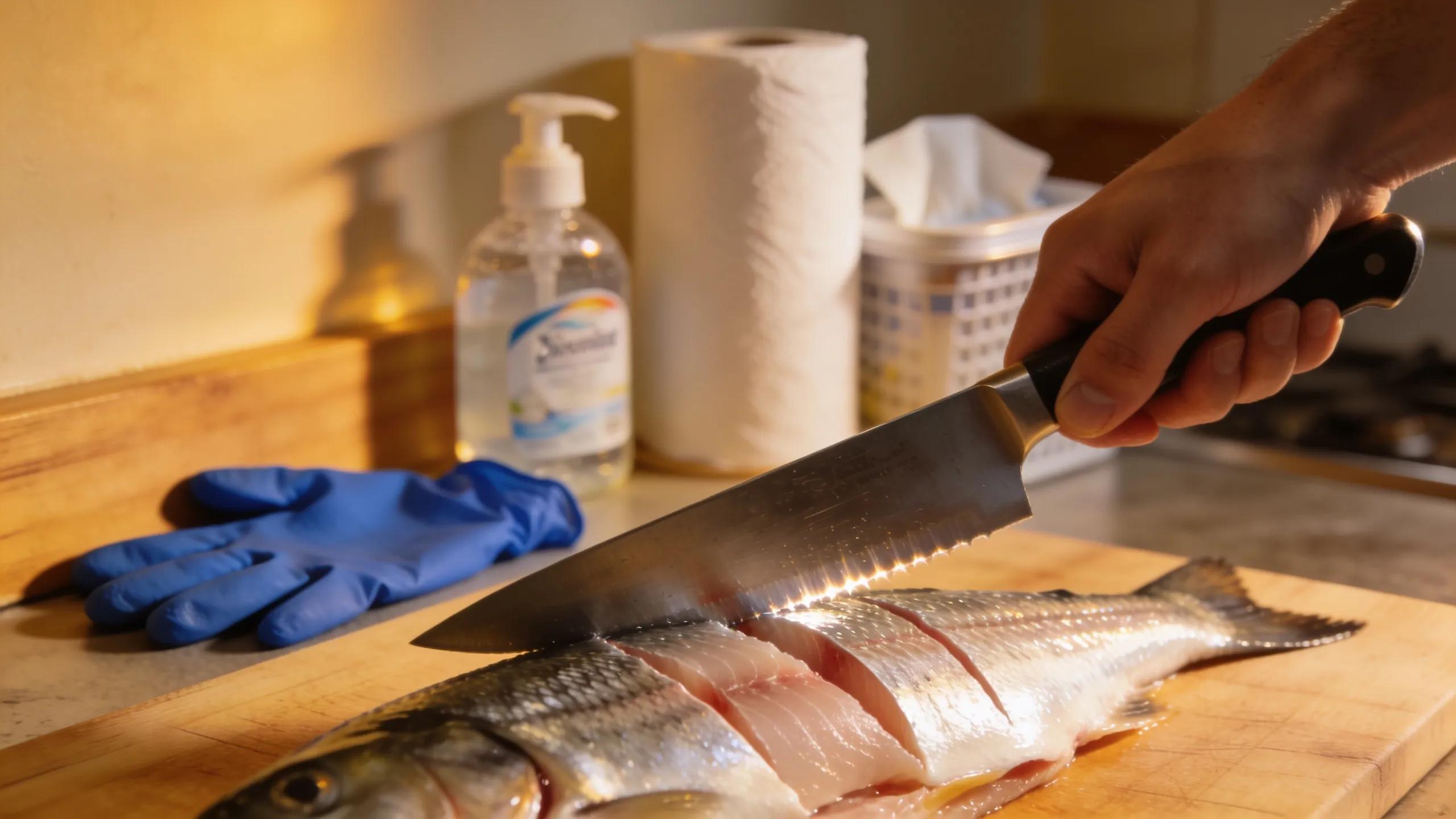
Understanding fish anatomy is crucial for effective filleting, as it helps you make informed cuts that preserve the most flesh.
Which Fish Species Are Commonly Filleted and Their Key Anatomical Features?
Many fish species are commonly filleted, each with unique anatomical features. Notable examples include:
- Trout: Known for having delicate flesh and fewer bones.
- Bass: Requires careful handling due to its dense and firm flesh.
- Salmon: Its oily nature requires specific techniques to maximize yield.
- Catfish: Characterized by tough, scaleless skin, catfish must be skinned rather than scaled. It also has a cartilaginous skeleton, which affects how you make your cuts.
- Walleye: Notable for its distinctive Y-bones, a row of floating pin bones, which require a special angled cut to remove for boneless fillets effectively.
- Redfish: As a saltwater species, redfish are typically larger and possess thicker rib cages and differing bone structures compared to freshwater species. Filleting redfish often requires heavier-gauge fillet knives and larger, more robust cuts.
Knowing these features can inform your approach, allowing for better filleting techniques based on the species.
How Does Understanding Fish Anatomy Improve Your Filleting Technique?
Anatomy knowledge directly influences your approach to filleting. Key landmarks include:
- Dorsal and Anal Fins: Guide your cuts to minimize bone interference.
- Lateral Line: Helps identify the fish’s body structure, ensuring clean separations.
Adapting your techniques based on these landmarks can lead to improved efficiency and reduced waste.
What Are the Step-by-Step Techniques to Fillet a Fish Successfully?
Filleting may vary slightly based on the type, but understanding the general process is fundamental.
What Are the Sequential Steps for Filleting Different Types of Fish?
Regardless of the species, the filleting steps typically involve:
- Initial Cut: Start behind the gills to create an opening.
- Belly Cut: Cut along the belly to the tail without hitting bone.
- Remove Fillet: Slide the knife along the ribcage for a clean separation.
- Repeat on Other Side: Follow the same method for the second fillet.
This method ensures you consistently achieve perfect fillets from your catch.
How Can Anglers Avoid Common Filleting Mistakes?
Many newcomers face challenges during filleting. Here are common mistakes and how to avoid them:
- Using Dull Knives: Dull blades can tear the flesh; always keep your knife sharp.
- Not Following Backbone: Stay close to the bones to maximize fillet yield.
- Rushing the Process: Take your time to make accurate cuts rather than making hasty decisions.
Being mindful of these common errors can enhance your overall success.
How Can Anglers Ensure Safety and Proper Cleaning After Filleting?
Once you’ve completed the filleting process, it’s crucial to prioritize cleanliness and safety.
What Are the Best Practices for Safe Fish Handling and Cleaning?
Maintaining hygiene during and after filleting is essential:
- Immediate Cleaning: Clean your tools and workspace right after use to prevent bacteria growth.
- Safety Protocols: Always handle knives with care, ensuring they are pointed away from your body during use.
Maintaining these practices will safeguard both your health and the quality of the fish.
How Should You Store and Preserve Fish Fillets for Optimal Freshness?
Proper storage techniques for fish fillets can significantly extend their freshness.
- Refrigeration: Store fillets in a sealed, airtight container and keep them at a temperature of 32°F to 36°F.
- Freezing: For longer storage, wrap fillets tightly in freezer paper or vacuum-seal them to prevent freezer burn.
- Thawing Tips: Thaw frozen fillets in the refrigerator rather than at room temperature to prevent bacterial growth.
Understanding these storage methods will ensure your fillets remain fresh and tasty for further culinary adventures.