

Mastering Saltwater Fishing: Techniques and Gear for Success
Saltwater fishing, a pursuit spanning millennia, offers an unparalleled blend of challenge, exhilaration, and connection with the marine environment. From the tranquil shores of coastal estuaries to the vast expanses of the open ocean, anglers engage with a diverse array of species, each demanding specific knowledge and skill. This comprehensive guide delves into the fundamental principles, practical methodologies, and essential gear required to navigate the complexities of saltwater angling, providing a robust foundation for both novice and experienced practitioners.
Understanding the interplay between marine ecosystems, fish behavior, and effective fishing strategies is paramount for consistent success. This exploration will cover the core concepts that underpin saltwater fishing, offering step-by-step guidance on various techniques, addressing common challenges, and referencing the specialized equipment that has evolved to meet the demands of this dynamic sport. Our objective is to equip you with the knowledge necessary to effectively pursue your saltwater fishing endeavors.
Core Concepts and Historical Context of Saltwater Fishing
Saltwater fishing, in its essence, is the practice of catching fish from oceanic or estuarine environments. This broad definition encompasses a multitude of methods and target species, reflecting the immense biodiversity of marine life. The history of saltwater fishing is deeply intertwined with human civilization, dating back to prehistoric times when early humans utilized rudimentary tools like bone hooks and nets to secure food from coastal waters. Evidence from archaeological sites across the globe, including ancient harpoons and fish traps, underscores its critical role in sustenance and survival.
Over centuries, fishing techniques evolved alongside technological advancements. The development of stronger lines, more refined hooks, and eventually, the invention of specialized reels and rods transformed fishing from a purely subsistence activity into a recreational pursuit. The late 19th and early 20th centuries saw the emergence of sport fishing, particularly for large pelagic species, driven by a growing appreciation for the challenge and thrill of the catch. Today, saltwater fishing remains a significant global industry, supporting livelihoods through commercial fisheries, while also thriving as a popular recreational pastime, contributing substantially to coastal economies through tourism and gear sales. The understanding of marine biology, oceanography, and conservation has also advanced significantly, shaping modern fishing practices towards sustainability and responsible resource management.
Essential Saltwater Fishing Gear
The success of any saltwater fishing expedition hinges significantly on the selection and proper utilization of appropriate gear. Unlike freshwater environments, saltwater presents unique challenges such as corrosive conditions, powerful currents, and larger, more robust fish species. Consequently, saltwater tackle is specifically designed to withstand these elements and stresses.
Rods and Reels
Saltwater rods are generally more robust and durable than their freshwater counterparts, constructed from materials like graphite, fiberglass, or composite blends, offering a balance of strength and sensitivity. They vary in length and action depending on the targeted species and fishing technique. For example, surf rods are long to cast baits far from shore, while jigging rods are shorter and stiffer for working lures vertically. Saltwater reels, whether spinning, conventional, or baitcasting, are built with corrosion-resistant components such such as anodized aluminum, stainless steel, and sealed drag systems. Their drag systems are designed to handle the powerful runs of large marine fish, providing smooth and consistent pressure. In 2026, advancements in material science continue to yield lighter, stronger, and more corrosion-resistant components, enhancing both performance and longevity.
Lines, Leaders, and Terminal Tackle
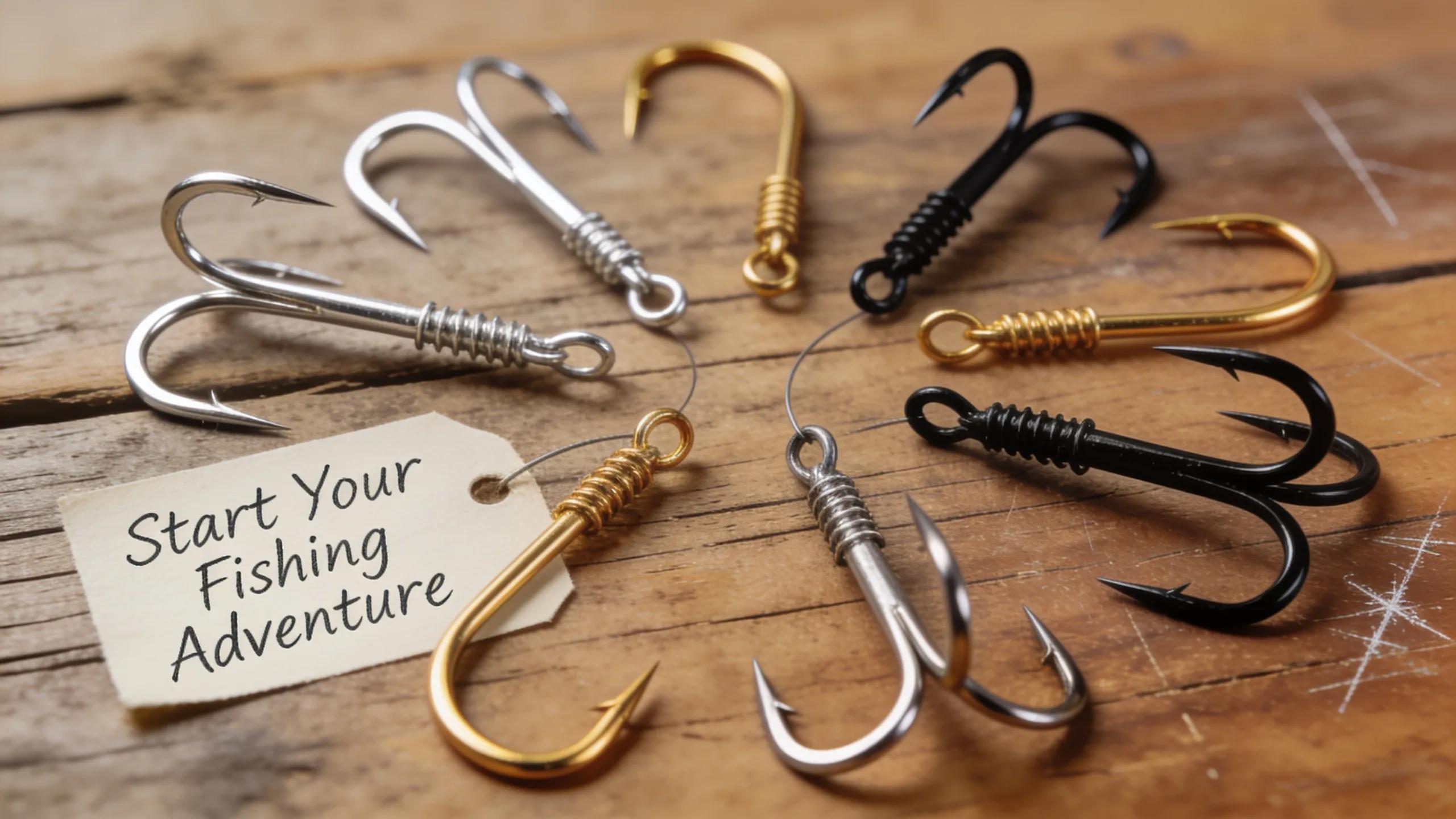
Fishing line is the critical link between angler and fish. Monofilament, fluorocarbon, and braided lines each possess distinct characteristics. Monofilament is widely used for its stretch and knot strength, while fluorocarbon offers excellent abrasion resistance and near invisibility underwater. Braided lines, known for their incredible strength-to-diameter ratio and lack of stretch, provide superior sensitivity and casting distance. The choice often depends on the specific technique and target species. Leaders, typically made of fluorocarbon or monofilament, are used to provide abrasion resistance against sharp teeth or rough structures and to offer stealth in clear water. Terminal tackle encompasses hooks, swivels, snaps, weights, and floats. Hooks are available in a vast array of sizes and styles, from J-hooks to circle hooks, each suited for different baits and fish mouths. Weights (sinkers) are used to get baits or lures to desired depths, while swivels prevent line twist, and snaps facilitate quick lure changes.
Lures and Baits
The world of saltwater lures is vast and continuously evolving. Artificial lures mimic prey items and trigger predatory instincts. Common types include:
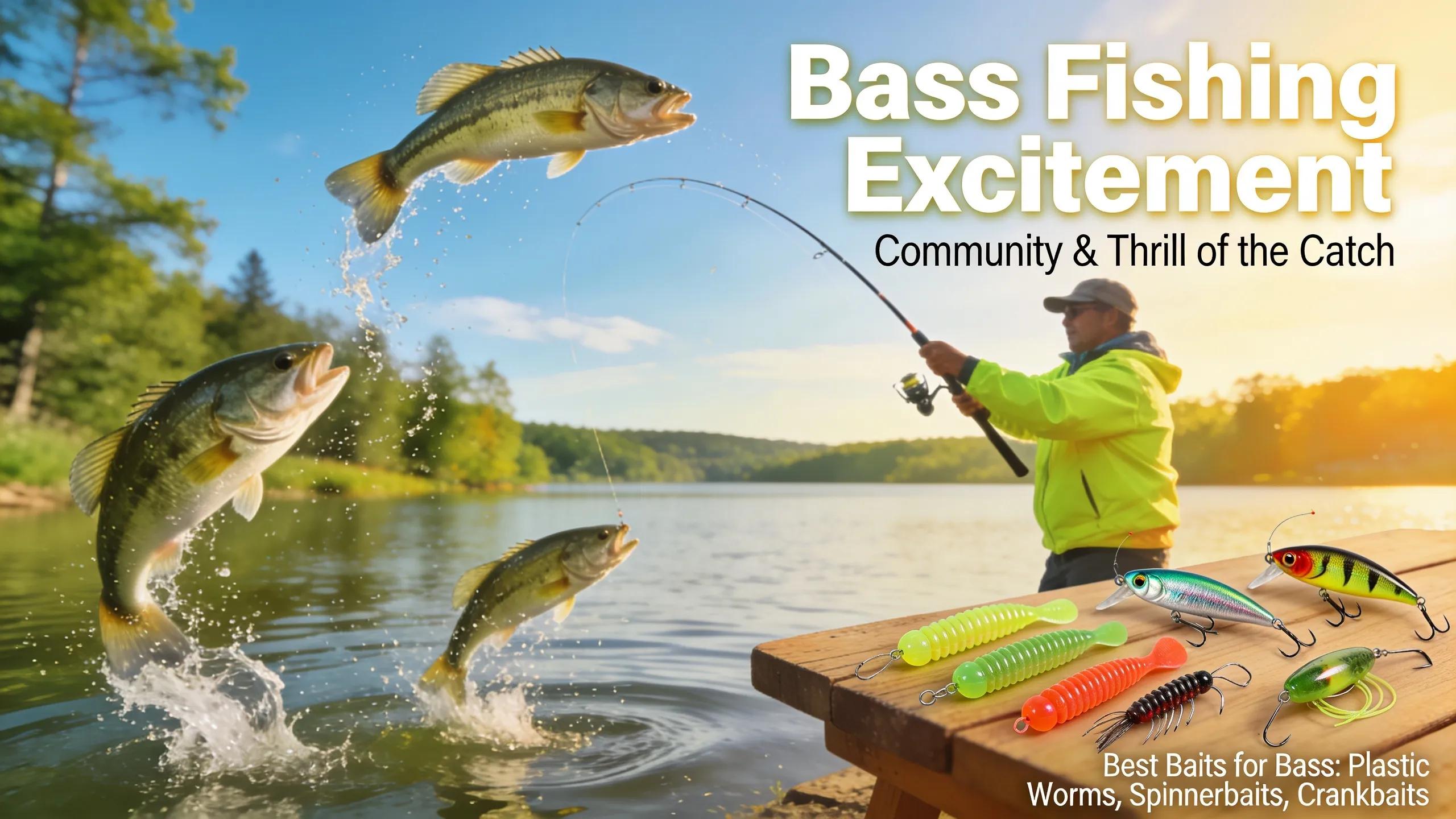
- Plugs/Hard Baits: Designed to imitate baitfish, these lures come in various forms such as topwater poppers, stickbaits, and diving crankbaits.
- Jigs: Weighted lures often adorned with skirts or soft plastic bodies, used for vertical jigging or casting and retrieving.
- Soft Plastics: Versatile and realistic, these lures imitate worms, shrimp, crabs, and baitfish, often rigged on jig heads or weedless hooks.
- Spoons: Metal lures that flash and wobble, mimicking injured baitfish.
Natural baits remain highly effective and include live or cut baitfish (e.g., mullet, pilchards, mackerel), shrimp, crabs, squid, and various worms. The selection of bait or lure is often dictated by the target species, local forage, and prevailing water conditions.
Saltwater Fishing Techniques
Saltwater fishing encompasses a diverse set of techniques, each optimized for specific environments, target species, and conditions. Mastering these methods requires practice, patience, and an understanding of fish behavior.
Surf Fishing
Surf fishing involves casting from the beach or shoreline into the breaking waves. This technique primarily targets species that feed in the nearshore zone, such as striped bass, red drum, pompano, and various flatfish. Key elements include long surf rods (typically 10-15 feet) for maximum casting distance, heavy sinkers to hold bait in strong currents, and robust reels. Anglers often use bait rigs with multiple hooks, deploying natural baits like cut fish, shrimp, or sand fleas. Understanding beach topography, including troughs, sandbars, and rips, is crucial for locating feeding fish. The best times for surf fishing are often around dawn and dusk, or during tidal changes, when fish activity is heightened.
Inshore Fishing (Estuaries, Bays, Flats)
Inshore fishing focuses on the calmer, shallower waters of estuaries, bays, and tidal flats. This environment is rich in baitfish and crustaceans, attracting predatory species like speckled trout, redfish, snook, flounder, and juvenile tarpon. Techniques vary from casting artificial lures (soft plastics, topwater plugs, jigs) to live baiting with shrimp or baitfish under popping corks or on bottom rigs. Fly fishing is also extremely popular in many inshore areas, particularly on shallow flats for sight-casting to cruising fish. Understanding tidal movements, water temperature, and bottom structure (oyster beds, grass flats, mangroves) is critical for locating productive fishing grounds.
Nearshore Fishing (Piers, Jetties, Coastal Reefs)
Nearshore fishing targets waters just beyond the immediate coastline, often accessible from piers, jetties, or small boats. This zone can include artificial reefs, wrecks, and natural rock formations. Species encountered here are diverse and can include snapper, grouper, king mackerel, Spanish mackerel, cobia, and various sharks. Techniques include bottom fishing with cut bait or live bait, trolling with artificial lures or rigged baits, and casting jigs or spoons. Pier and jetty fishing often involve specialized rigs to handle currents and snags, while boat-based nearshore anglers utilize sonar to locate structure and fish schools.
Offshore/Deep Sea Fishing
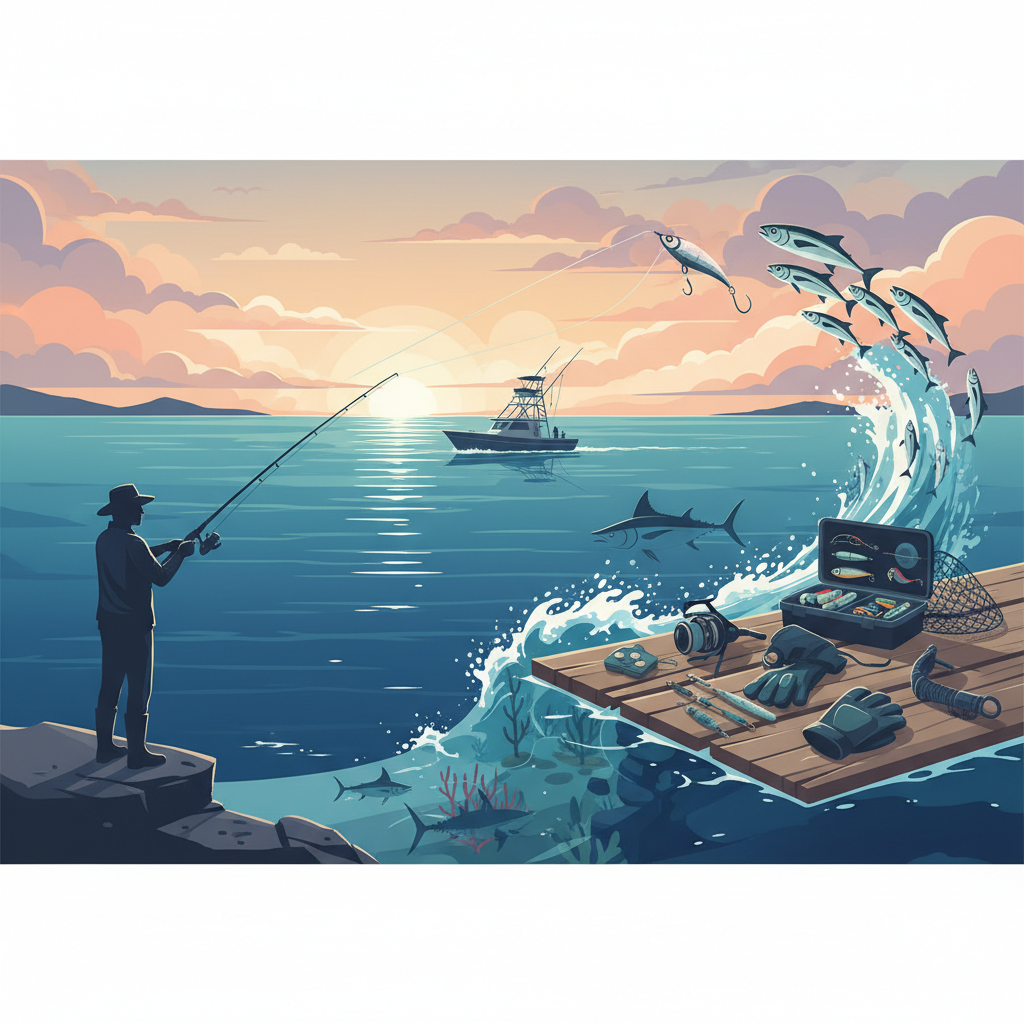
Offshore fishing, also known as deep-sea fishing, ventures into the open ocean, often many miles from shore. This pursuit targets large pelagic species such as tuna, marlin, sailfish, swordfish, mahi-mahi, and wahoo, as well as deep-dwelling bottom fish like snapper and grouper in deeper waters. Techniques include:
- Trolling: Dragging multiple lures or rigged baits behind a moving boat to cover large areas and attract migratory fish.
- Chumming: Dispersing bait pieces into the water to create a feeding frenzy and draw fish closer to the boat.
- Bottom Fishing/Drift Fishing: Targeting demersal species over reefs, wrecks, or ledges using heavy tackle and bait.
- Jigging: Employing heavy metal jigs to target fish holding deep over structure.
Offshore fishing requires specialized boats, heavy-duty tackle, and often extensive knowledge of ocean currents, temperature breaks, and migratory patterns. Modern offshore boats are equipped with advanced electronics like GPS, sonar, and radar to enhance navigation and fish finding capabilities.
Practical Methodologies and Frameworks
Beyond specific techniques, certain overarching methodologies and frameworks contribute significantly to successful saltwater fishing. These involve a combination of planning, observation, and adaptability.
Understanding Tides and Currents
Tides and currents are fundamental drivers of fish behavior in saltwater environments. Tidal cycles influence water depth, current strength, and the movement of baitfish and crustaceans. Fish often become more active during tidal changes (incoming or outgoing), as these currents can dislodge food items and concentrate prey. Understanding local tide charts and how specific currents affect a fishing spot is crucial. For instance, strong outgoing tides can flush bait from estuaries, attracting predators at the mouth, while incoming tides might bring cooler, oxygenated water into shallow flats.
Reading the Water and Environment
Successful anglers develop the ability to “read the water,” interpreting visual cues to locate fish. This includes observing:
- Baitfish Schools: Patches of nervous baitfish, often indicated by ripples or splashes, are prime locations for predatory fish.
- Bird Activity: Diving birds (gulls, terns, pelicans) often indicate baitfish being driven to the surface by feeding predators below.
- Water Color and Clarity: Changes in water color can indicate temperature breaks or concentrations of plankton, affecting fish distribution. Clear water often requires stealthier approaches and lighter leaders.
- Structure: Any irregularity in the bottom or coastline, such as oyster reefs, rock piles, jetties, wrecks, and channel edges, provides cover and ambush points for fish.
- Current Lines and Rips: Where two currents meet, or where currents encounter obstacles, food can concentrate, attracting fish.
Combining these observations with knowledge of species-specific habits allows anglers to make informed decisions about where and how to fish.
Conservation and Ethical Angling
Responsible angling practices are paramount for ensuring the long-term health of marine ecosystems and the sustainability of fish populations. Key principles include:
- Catch and Release: Practicing proper catch and release techniques, especially for undersized fish or species under conservation pressure, minimizes stress and injury. This involves using appropriate tackle, handling fish gently with wet hands, and dehooking quickly.
- Adhering to Regulations: Being aware of and strictly following local, state, and federal fishing regulations regarding size limits, bag limits, seasons, and protected species is non-negotiable. These regulations are designed to manage fish stocks.
- Minimizing Environmental Impact: Avoiding littering, preventing the introduction of invasive species, and being mindful of sensitive habitats like seagrass beds or coral reefs are essential.
- Sustainable Gear Choices: Utilizing circle hooks, which minimize gut-hooking, and choosing lead-free sinkers where appropriate, contribute to a healthier marine environment.
As of 2026, the emphasis on sustainable fishing practices continues to grow, with increasing public awareness and stricter regulations aimed at preserving marine biodiversity.
Common Questions and Edge Cases
How can I prevent corrosion on my saltwater gear?
Corrosion is a constant threat in saltwater environments. After every use, thoroughly rinse rods, reels, and tackle with fresh water to remove salt residue. Pay special attention to reel components, guides on rods, and any metal parts. Apply a light coat of corrosion-inhibiting spray or oil to metal surfaces, especially on reels. Store gear in a dry, well-ventilated area, away from direct sunlight and humidity. Regular maintenance, including periodic disassembly and greasing of reel parts, is crucial for extending the lifespan of saltwater equipment.
When is the best time of day to fish in saltwater?
While fish can be caught at any time, certain periods often yield better results. Dawn and dusk are frequently the most productive times, as many predatory fish are more active during low light conditions. Tidal changes, particularly the hour before and after high or low tide, also tend to concentrate fish and stimulate feeding. Overcast days can extend good fishing periods throughout the day, as fish may feel less exposed. However, specific species and locations may have unique optimal times, so local knowledge is invaluable.
How do I deal with strong currents and heavy winds?
Strong currents and heavy winds can make fishing difficult. To counter strong currents, use heavier sinkers or jigs to get your bait or lure to the desired depth and keep it there. Positioning your boat or casting upstream of your target area can also help present your offering naturally. In heavy winds, casting accuracy and distance are compromised. Use heavier lures or baits to cut through the wind, and adjust your casting technique to a lower trajectory. Fishing on the lee side of structures or islands can provide some shelter from the wind. Braided line, with its thinner diameter, can also be less affected by wind and current than monofilament.
What are the biggest challenges for beginners in saltwater fishing?
Beginners often face challenges such as understanding tidal patterns, selecting appropriate gear for corrosive environments, identifying productive fishing spots, and mastering casting techniques in windy conditions. The sheer power of saltwater fish can also be surprising, requiring proper drag setting and fighting techniques. Overcoming these challenges involves starting with simpler techniques, seeking advice from experienced local anglers, and gradually expanding one’s knowledge and skill set.
How do I choose the right bait or lure for my target species?
The best bait or lure selection depends heavily on the target species, local forage, and fishing conditions. Researching the natural diet of your target fish is a good starting point. If fish are feeding on small baitfish, a lure mimicking that size and profile will be effective. If they are bottom feeders, natural baits like shrimp or cut fish are often preferred. Observing what baitfish are present in the area, or even checking the stomach contents of a freshly caught fish (if legal and kept), can provide valuable clues. Experimentation is also key; if one presentation isn’t working, try a different color, size, or retrieve speed.
Saltwater fishing presents numerous variables, leading to common questions and unique situations that require specific considerations.