

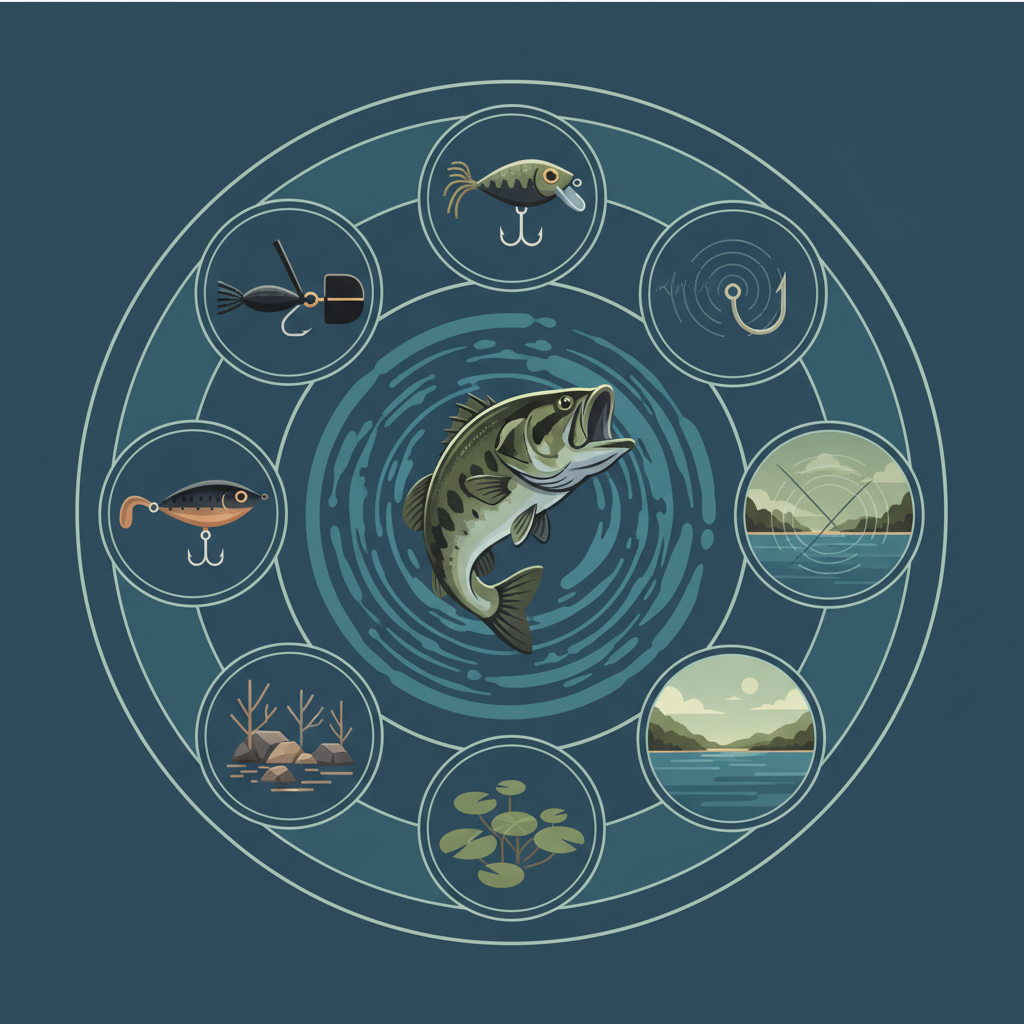
Ultimate Guide to Bass Fishing: Tips, Tricks, and Best Lures
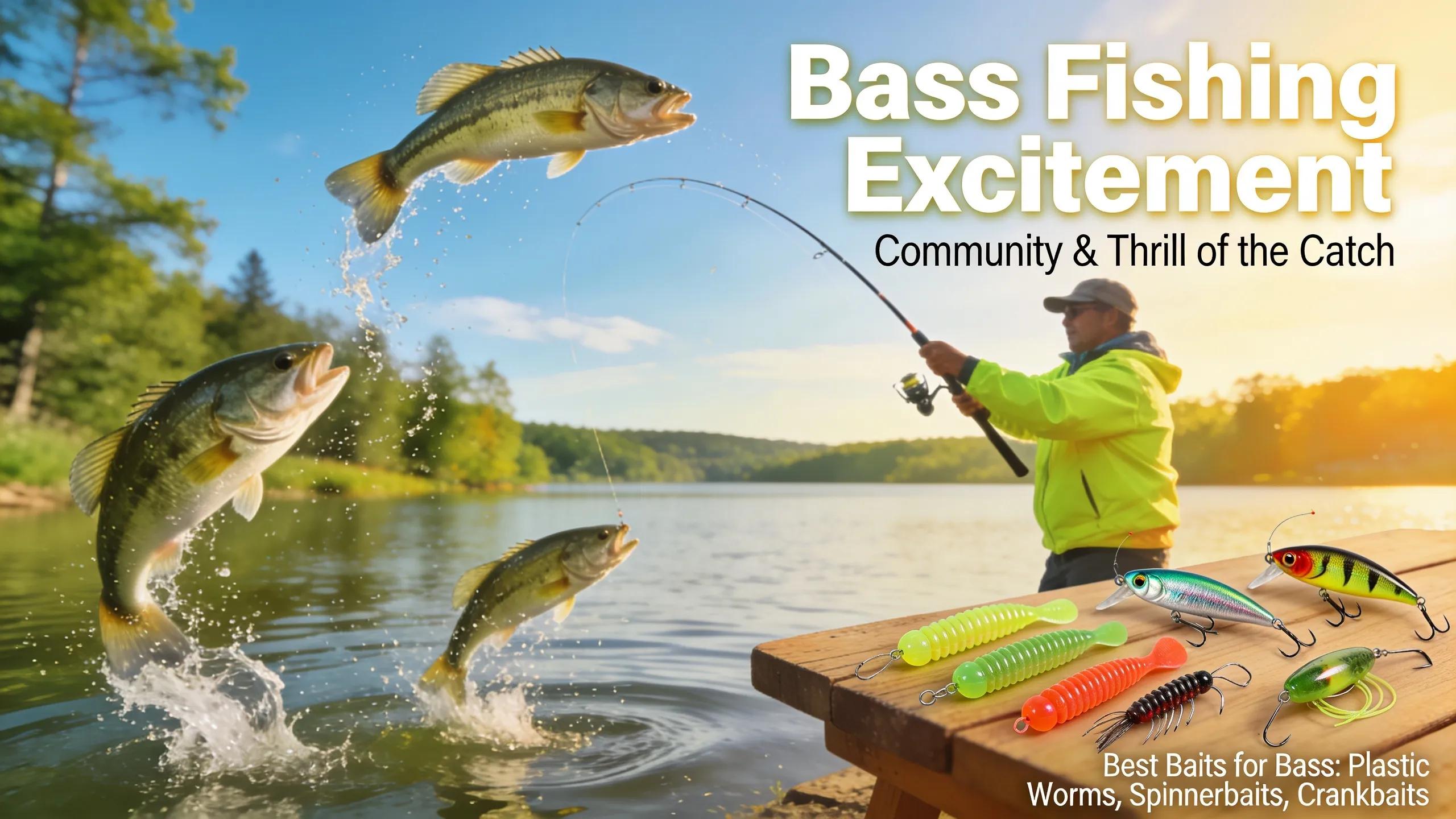
Bass fishing, a pursuit enjoyed by millions globally, transcends a simple pastime, evolving into a dedicated sport and a profound connection with nature. This comprehensive guide delves into the multifaceted world of bass fishing, offering insights into its rich history, fundamental principles, and the advanced techniques that define successful anglers in 2026. From understanding the diverse species of bass to mastering the art of lure selection and presentation, this resource aims to equip both novice and experienced anglers with the knowledge required to enhance their fishing prowess and appreciation for this iconic freshwater fish.
Understanding Bass Species and Their Habitats
The term “bass” encompasses a variety of fish species, primarily within the sunfish family (Centrarchidae), known for their aggressive strikes and challenging fights. While many types of bass exist, freshwater angling predominantly focuses on a few key species, each with distinct characteristics and preferred environments.
Largemouth Bass (Micropterus salmoides)
The largemouth bass is arguably the most popular freshwater game fish in North America. Recognized by its large mouth extending beyond the eye and a distinct dark lateral line, largemouth bass thrive in warm, shallow, and vegetated waters. They are ambush predators, often found lurking around submerged structures such as weed beds, lily pads, fallen trees, and docks. Their diet is diverse, including smaller fish, crayfish, frogs, and even small birds or mammals. The average weight of largemouth bass ranges from 1 to 4 pounds, although trophy specimens can exceed 10 pounds. Understanding their preference for cover and warmer water temperatures is crucial for successful targeting.
Smallmouth Bass (Micropterus dolomieu)
In contrast to their largemouth cousins, smallmouth bass prefer cooler, clearer waters with rocky bottoms, gravel, and stronger currents. Their mouths do not extend past the eye, and