

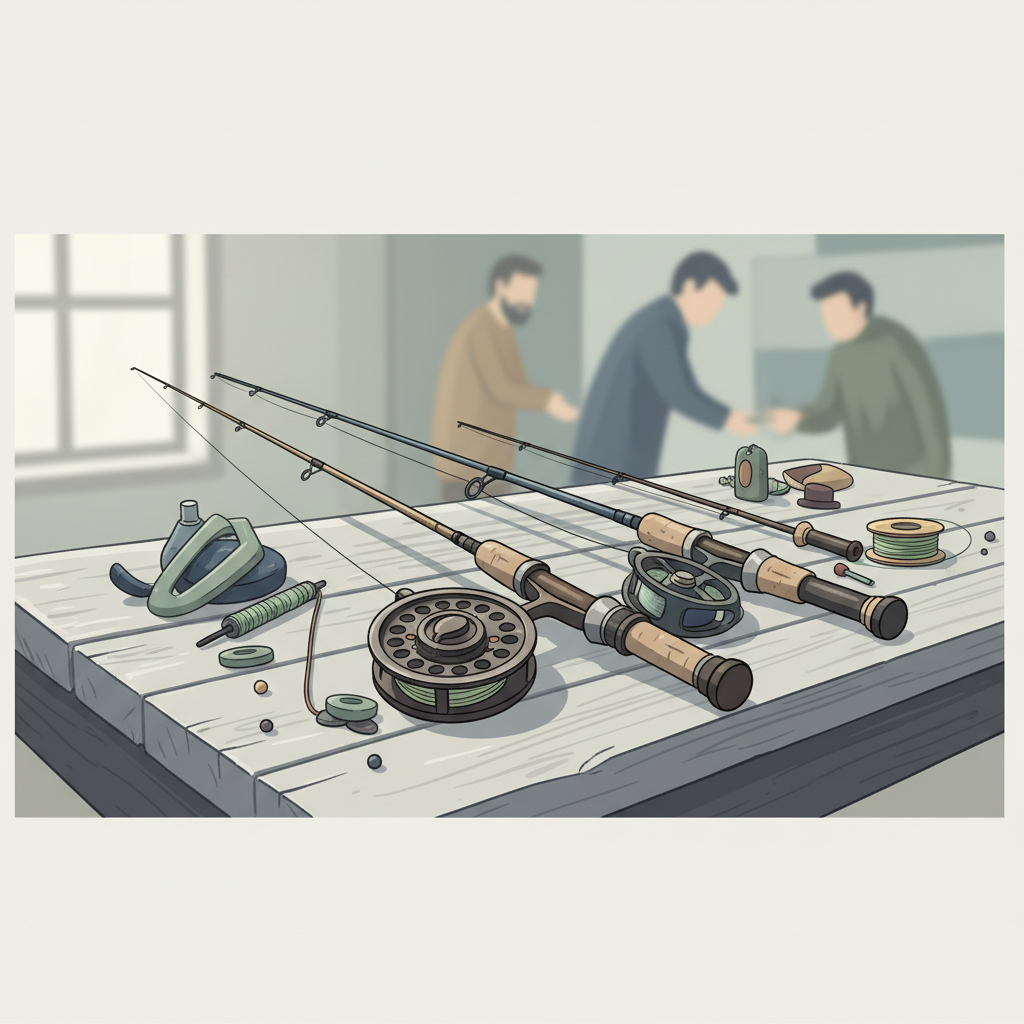
Choosing the Right Fishing Rod: A Comprehensive Guide
Fishing rods, seemingly simple implements, are in fact sophisticated tools engineered with precision to enhance the angler’s ability to cast, present bait, detect bites, and ultimately land fish. From the earliest rudimentary branches used by prehistoric humans to the advanced composite materials and ergonomic designs of 2026, the evolution of the fishing rod reflects a continuous pursuit of efficiency and effectiveness in the aquatic environment. Understanding the fundamental principles behind rod construction and design is crucial for any angler seeking to optimize their fishing experience, whether targeting panfish in a local pond or battling large pelagic species in open ocean.
This comprehensive guide delves into the core concepts, practical methodologies, and intricate details surrounding fishing rods. We will explore the historical progression that led to modern designs, dissect the various components and their functions, and provide a framework for selecting the appropriate rod for diverse fishing scenarios. Furthermore, common questions and edge cases will be addressed, offering clarity on specific challenges and considerations that arise in the pursuit of angling success.
The Evolution of the Fishing Rod: From Branch to Carbon Fiber
The history of the fishing rod is a testament to human ingenuity and adaptation. Early fishing methods relied on handlines or simple branches, offering limited control and casting distance. Archaeological evidence suggests the use of fishing rods dates back thousands of years, with early examples crafted from bamboo, cane, and wood. These natural materials provided the initial foundation for rod design, emphasizing flexibility and strength.
The 17th century saw significant advancements with the introduction of multi-piece rods, making transport easier. The 18th and 19th centuries witnessed the refinement of rod construction, with materials like lancewood and greenheart becoming popular. The advent of split cane (bamboo) rods in the mid-19th century marked a pivotal moment, offering superior strength-to-weight ratios and improved casting characteristics. These rods, meticulously crafted from glued strips of bamboo, dominated the market for decades and are still cherished by enthusiasts today for their aesthetic and tactile qualities.
The 20th century brought revolutionary changes with the introduction of synthetic materials. Fiberglass, emerging in the mid-20th century, offered unprecedented durability, affordability, and ease of manufacturing. It became the material of choice for mass-produced rods, making fishing accessible to a broader audience. The late 20th and early 21st centuries saw the rise of carbon fiber (graphite) and composite materials. Carbon fiber, known for its exceptional strength, lightness, and sensitivity, quickly became the preferred material for high-performance rods across all fishing disciplines. Modern manufacturing techniques in 2026 allow for precise control over fiber orientation and resin content, yielding rods with highly specific actions and powers tailored to diverse angling needs.
Anatomy of a Fishing Rod: Components and Their Functions
Understanding the individual components of a fishing rod is essential for appreciating its overall performance. Each part plays a critical role in the rod’s ability to cast, fight fish, and provide feedback to the angler.
The Blank: The Heart of the Rod
The blank is the main body of the fishing rod, a tapered tube typically made from fiberglass, carbon fiber, or a composite blend. Its material, taper, and wall thickness determine the rod’s action, power, and sensitivity. Carbon fiber blanks are highly sensitive, transmitting subtle bites and bottom contours directly to the angler’s hand. Fiberglass blanks are known for their durability and parabolic bend, making them excellent for absorbing shock and fighting strong fish. Composite blanks aim to combine the best attributes of both materials.
The Handle and Reel Seat: Ergonomics and Security
The handle, often made from cork, EVA foam, or a combination, provides a comfortable and secure grip for the angler. Its length and shape vary depending on the rod’s intended use, with longer handles common on casting and surf rods for two-handed casting leverage. The reel seat securely attaches the fishing reel to the rod. Modern reel seats are often made from graphite or aluminum, featuring locking mechanisms to prevent the reel from coming loose during casting or retrieves.
Guides: Guiding the Line
Guides are rings mounted along the blank that control the fishing line during casting and retrieval. They are typically made with ceramic inserts (e.g., aluminum oxide, silicon carbide) to reduce friction and heat buildup, which can damage the line. The number, size, and placement of guides are crucial for optimal line flow and distributing stress evenly along the blank when fighting a fish. Advanced guide designs in 2026 feature lighter frames and specialized rings to further minimize friction and maximize casting distance.
The Tip Top: The Apex of Sensitivity
The tip top is the final guide at the very end of the rod. It is often designed to be lightweight and durable, as it experiences significant stress during casting and hooksets. The sensitivity of the tip is paramount for detecting subtle bites, especially in finesse fishing techniques.
Rod Action, Power, and Taper: Understanding Performance Characteristics
These three interconnected characteristics define how a fishing rod performs and are critical considerations when selecting a rod for a specific fishing application.
Rod Action: The Bend Profile
Rod action describes where along the blank the rod bends when pressure is applied. It dictates the rod’s sensitivity, casting characteristics, and ability to absorb shock. Common actions include:
- Fast Action: Bends primarily in the upper third of the rod. Offers maximum sensitivity, quick hooksets, and long casts. Ideal for single-hook lures and situations requiring precise bait presentation.
- Moderate-Fast Action: Bends from the middle to the tip section. A versatile action, offering a good balance of sensitivity, casting distance, and fish-fighting power. Suitable for a wide range of lures and techniques.
- Moderate (or Medium) Action: Bends in the upper half of the rod. Provides good casting distance, excellent shock absorption, and is forgiving when fighting fish. Often preferred for treble-hook lures and crankbaits.
- Slow (or Full) Action: Bends throughout the entire length of the rod. Offers the most shock absorption and is excellent for protecting light lines and presenting delicate baits. Commonly found in fly rods and some panfish rods.
Rod Power: Lifting Strength
Rod power, also known as rod weight, refers to the rod’s lifting strength or its ability to handle different line weights and lure weights. It indicates how much backbone the rod has. Common power ratings include:
- Ultra-Light: Designed for very light lines and small lures, targeting panfish and small trout.
- Light: Suitable for small to medium-sized fish, offering a good balance of sensitivity and fighting power.
- Medium-Light: A versatile power for various species and techniques.
- Medium: A common power for general-purpose fishing, handling a wide range of lures and fish.
- Medium-Heavy: Designed for larger fish and heavier lures, offering significant backbone.
- Heavy: Used for large, powerful fish and heavy cover applications.
- Extra-Heavy: For the largest freshwater and saltwater species, requiring maximum lifting power.
Rod Taper: The Blank’s Diameter Progression
Rod taper describes the gradual decrease in the blank’s diameter from the butt section to the tip. A faster taper (more dramatic diameter change) generally results in a faster action rod, while a slower taper (less dramatic change) leads to a slower action. Taper significantly influences the rod’s flex and casting characteristics.
Types of Fishing Rods: Specialization for Every Angler
The diverse world of fishing demands specialized tools, leading to the development of numerous rod types, each optimized for specific fishing methods, target species, and environments.
Spinning Rods
Designed for use with spinning reels, these rods feature a series of larger guides on the underside of the blank, allowing the line to uncoil freely from the spinning reel’s spool. Spinning rods are highly versatile, popular for various freshwater and light saltwater applications, and often favored by beginners due to their ease of use.
Casting Rods (Baitcasting Rods)
Paired with baitcasting reels, these rods have guides positioned on top of the blank. Casting rods offer greater casting accuracy, control over line release, and often more power than spinning rods, making them ideal for heavier lures, battling larger fish, and precise presentations in dense cover. They are a staple for many bass anglers.
Fly Rods
Fly rods are distinctly different, designed to cast a weighted fly line rather than a weighted lure. They are typically long, flexible, and have a slow to moderate action, allowing for the delicate presentation of artificial flies. Fly rods are categorized by “weight” (e.g., 5-weight, 8-weight), indicating the appropriate fly line weight they are designed to cast.
Surf Rods
Long and powerful, surf rods are built for casting heavy baits and lures long distances from the shoreline into the surf. They typically range from 9 to 15 feet or more, with heavy power and moderate to slow actions to handle strong currents and large fish.
Trolling Rods
Designed for dragging lures or baits behind a moving boat, trolling rods are characterized by their heavy power, moderate action, and often feature roller guides to reduce friction on heavy lines. They are built to withstand sustained pressure from large, powerful fish.
Jigging Rods
Short, stiff, and powerful, jigging rods are specifically designed for vertical jigging techniques in deep water. They offer excellent sensitivity to detect subtle bites and immense backbone to lift heavy fish from the depths. They can be spinning or casting configurations.
Telescopic Rods
These rods collapse into a shorter length for easy transport and storage. While convenient, they often compromise on sensitivity and strength compared to multi-piece or one-piece rods due to the numerous ferrules (connection points).
Selecting the Right Rod: A Methodical Approach
Choosing the ideal fishing rod involves a systematic consideration of several factors. A methodical approach ensures that the selected rod aligns with your fishing goals and preferred techniques.
Step 1: Identify Your Target Species
The size and fighting characteristics of the fish you intend to catch are paramount. Targeting panfish requires a much lighter rod than pursuing large catfish, snook, or tuna. Research the typical size and strength of your target species to determine the necessary rod power.
Step 2: Determine Your Fishing Environment
Where you fish significantly influences rod selection. Open water environments allow for longer casts and may benefit from longer rods. Fishing in heavy cover (e.g., lily pads, submerged timber) necessitates a shorter, more powerful rod for leverage and quick fish extraction. Saltwater environments often require rods with corrosion-resistant components.
Step 3: Consider Your Preferred Fishing Technique(s)
Are you primarily casting finesse baits, jigging, trolling, or fly fishing? Each technique benefits from specific rod characteristics. For example, a fast-action rod is excellent for twitching jigs and plastics, while a moderate-action rod excels with crankbaits due to its ability to load and launch the lure effectively.
Step 4: Match Rod to Lure Weight and Line Weight
Every rod has a recommended lure weight range and line weight range printed on its blank. Adhering to these specifications is crucial for optimal casting performance, preventing rod breakage, and ensuring proper lure action. Using a lure that is too heavy can damage the rod, while one that is too light will not cast effectively.
Step 5: Spinning vs. Casting Rods
Decide whether a spinning or casting rod is more appropriate for your chosen technique and comfort level. Spinning rods are generally easier for beginners and excel with lighter lures. Casting rods offer more control and power, particularly with heavier lures and precise presentations.
Step 6: Handle Length and Ergonomics
Consider the handle length relative to your casting style and desired leverage. Longer handles provide more leverage for two-handed casting, while shorter handles are better for single-handed precision casting. Test the rod’s feel in your hand to ensure comfort and balance.
Step 7: Budget and Material Considerations
Rod prices vary widely based on materials, construction, and brand. While high-end carbon fiber rods offer superior performance, excellent fiberglass and composite rods are available at more accessible price points. Balance your performance needs with your budget.
Common Questions and Edge Cases
How many pieces should my fishing rod be?
One-piece rods offer the most consistent action, sensitivity, and strength because there are no ferrules (connection points) to interrupt the blank’s flex. However, they are less convenient for transport. Two-piece rods are a good compromise for portability with minimal impact on performance. Multi-piece (travel) rods offer maximum portability but may sacrifice some sensitivity and strength due to multiple connection points.
What is the significance of “modulus” in carbon fiber rods?
Modulus refers to the stiffness of the carbon fibers used in the rod blank. Higher modulus carbon fiber is stiffer, lighter, and more sensitive, but also generally more brittle and expensive. Rod manufacturers blend different modulus fibers to achieve specific performance characteristics, balancing sensitivity, strength, and durability. Trends in 2026 show continued innovation in multi-modulus blank construction.
Can I use a freshwater rod in saltwater?
While technically possible, it is generally not recommended for prolonged use. Saltwater is highly corrosive, and freshwater rods often lack the corrosion-resistant components (guides, reel seat) necessary to withstand the harsh marine environment. Using a freshwater rod in saltwater without proper rinsing and maintenance will significantly shorten its lifespan.
How do I know if my rod is balanced correctly?
A balanced rod feels comfortable and effortless to hold and cast. When the reel is attached, the rod should ideally balance slightly forward of the reel seat, allowing the tip to be easily controlled without feeling tip-heavy or butt-heavy. Proper balance reduces fatigue and improves sensitivity.
What is the best all-around fishing rod?
There is no single “best” all-around rod, as versatility often comes with compromise. However, a 6’6″ to 7′ medium-power, fast-action spinning rod is often considered a good starting point for a wide range of freshwater and light inshore saltwater applications, capable of handling various lures and species. For bass anglers, a 7′ medium-heavy, fast-action casting rod is a common go-to.