

Beginner’s Guide to Fishing: Essential Gear and Techniques
Embarking on the journey of fishing offers a unique blend of tranquility, challenge, and connection with nature. For many, it’s more than just a pastime; it’s a gateway to understanding aquatic ecosystems, developing patience, and enjoying the outdoors. This comprehensive guide aims to equip the novice angler with the foundational knowledge and practical skills necessary to begin their fishing adventure with confidence. From understanding the core principles of angling to selecting the right equipment and mastering basic techniques, this resource will demystify the initial hurdles and set the stage for a rewarding experience.
Fishing, in its essence, involves the pursuit and capture of aquatic animals, typically fish, using various methods. Its history stretches back tens of thousands of years, evolving from a primitive means of survival into a sophisticated recreational and sport activity. The fundamental goal remains consistent: to entice a fish to bite a baited hook. However, the strategies, tools, and environmental considerations involved have become increasingly refined. This guide will delve into these aspects, providing a clear, step-by-step approach to becoming a competent and responsible angler.
Understanding the Fundamentals of Fishing
Before casting a line, grasping the basic concepts that underpin all fishing endeavors is crucial. This includes understanding fish behavior, the aquatic environment, and the ethical considerations that govern responsible angling.
Fish Behavior and Habitat
Fish are cold-blooded vertebrates that inhabit a diverse range of aquatic environments, from freshwater rivers and lakes to vast saltwater oceans. Their behavior is largely influenced by factors such as water temperature, oxygen levels, food availability, and reproductive cycles. Understanding these influences is key to locating fish. For instance, many fish species, like bass, prefer structured habitats such as submerged logs, rock piles, or weed beds, which offer cover from predators and ambush points for prey. Others, like trout, thrive in cooler, oxygen-rich waters. Observing the water for signs of fish activity, such as jumping, splashing, or schools of baitfish, can provide valuable clues.
Aquatic Environments and Ecosystems
Fishing takes place within complex aquatic ecosystems. Each environment—be it a small pond, a large reservoir, a meandering river, or the expansive ocean—presents unique challenges and opportunities. Freshwater environments are home to species like bass, trout, catfish, and panfish, each with specific preferences. Saltwater fishing, conversely, targets species such as snapper, redfish, flounder, and various pelagic species. Understanding the specific ecosystem you plan to fish in, including its topography, water currents, and prevalent flora and fauna, is essential for successful angling. Responsible anglers also recognize their role in maintaining the health of these ecosystems through practices like “catch and release” and proper waste disposal.
Ethical Angling and Conservation
Responsible fishing is paramount. This includes adhering to local fishing regulations, which typically cover licensing requirements, catch limits, size restrictions, and protected species. These regulations are in place to ensure sustainable fish populations and healthy ecosystems. The practice of “catch and release,” where fish are carefully unhooked and returned to the water, is widely encouraged, especially for species that are vulnerable or for trophy fish. Minimizing environmental impact by avoiding littering, using lead-free tackle, and respecting private property are also integral to ethical angling. The future of fishing depends on the collective commitment to conservation.
Essential Fishing Gear for Beginners
Selecting the right equipment is a critical first step. While the array of options can seem daunting, beginners can start with a few fundamental pieces of gear tailored for versatility and ease of use.
Rods, Reels, and Lines
- Rods: For beginners, a medium-action spinning rod, typically 6 to 7 feet in length, is a versatile choice. This type of rod offers a good balance of sensitivity for detecting bites and strength for fighting fish.
- Reels: A spinning reel is the most beginner-friendly option. It’s easy to cast, reduces tangles, and is suitable for a wide range of fishing situations. Look for a reel with a smooth retrieve and a reliable drag system.
- Line: Monofilament fishing line is an excellent choice for beginners due to its affordability, ease of handling, and stretch, which can be forgiving when fighting fish. A 6-10 pound test line is generally appropriate for freshwater fishing. In 2026, advancements in biodegradable monofilament lines are becoming more accessible, offering an environmentally conscious alternative.
Hooks, Sinkers, and Floats
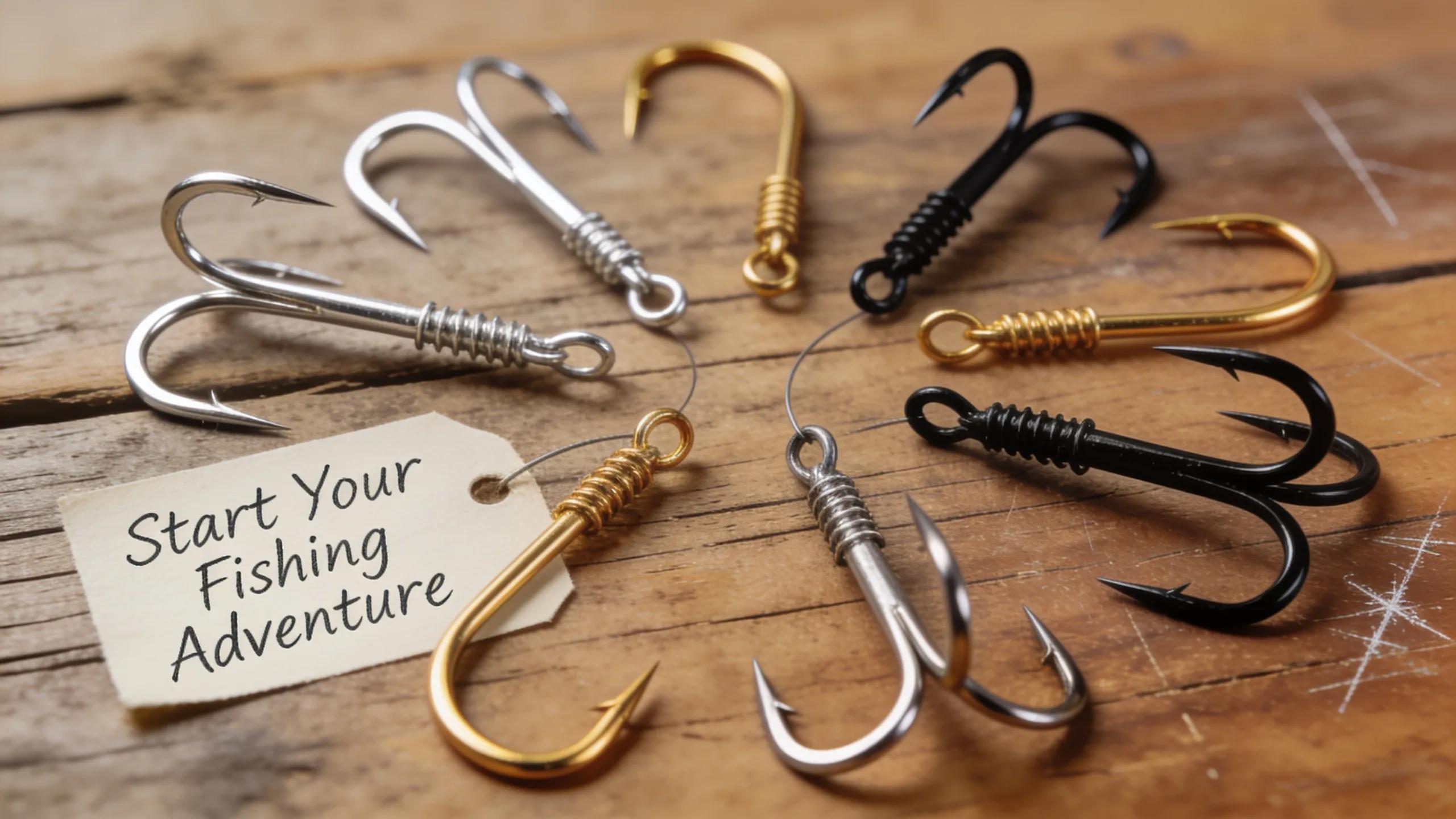
- Hooks: A variety pack of J-hooks in sizes ranging from 4 to 1/0 will cover most beginner needs. For catch and release, circle hooks are often preferred as they tend to hook fish in the lip, reducing gut-hooking.
- Sinkers: Split-shot sinkers are easy to attach and adjust, allowing you to control the depth of your bait. A small assortment of different weights is useful.
- Floats (Bobbers): Slip floats or clip-on bobbers are valuable tools for suspending your bait at a desired depth and indicating bites.
Baits and Lures
The choice between natural bait and artificial lures depends on the target species and personal preference.
- Natural Baits: Live worms, crickets, minnows, and corn are effective for a wide range of freshwater fish. They appeal to a fish’s natural instincts through scent and movement.
- Artificial Lures: Lures are designed to mimic prey fish or insects. For beginners, simple and versatile lures are recommended:
- Soft Plastics: Worms, grubs, and creature baits are highly effective for bass and panfish. They can be rigged in various ways, such as Texas rigs or Carolina rigs.
- Spinners: These lures have a rotating blade that creates flash and vibration, attracting fish like trout, bass, and panfish.
- Spoons: Metal spoons wobble and flash, imitating injured baitfish. They are effective for a variety of species.
- Jigs: A weighted head with a hook, often dressed with hair or soft plastic, jigs are incredibly versatile and can be fished at various depths.
Additional Essential Tools
- Pliers or Hemostats: Essential for removing hooks safely and efficiently.
- Line Cutters: Small scissors or clippers for cutting fishing line.
- Tackle Box: A small, organized box to store hooks, sinkers, lures, and other small items.
- First-Aid Kit: For minor cuts and scrapes.
- Sunscreen and Hat: Protection from the sun is crucial for extended periods outdoors.
- Water Bottle: Staying hydrated is important.
- Fishing License: Always check local regulations and acquire the necessary license before fishing.
Mastering Basic Fishing Techniques
With the right gear in hand, the next step is to learn fundamental techniques that will increase your chances of success.
Casting Techniques
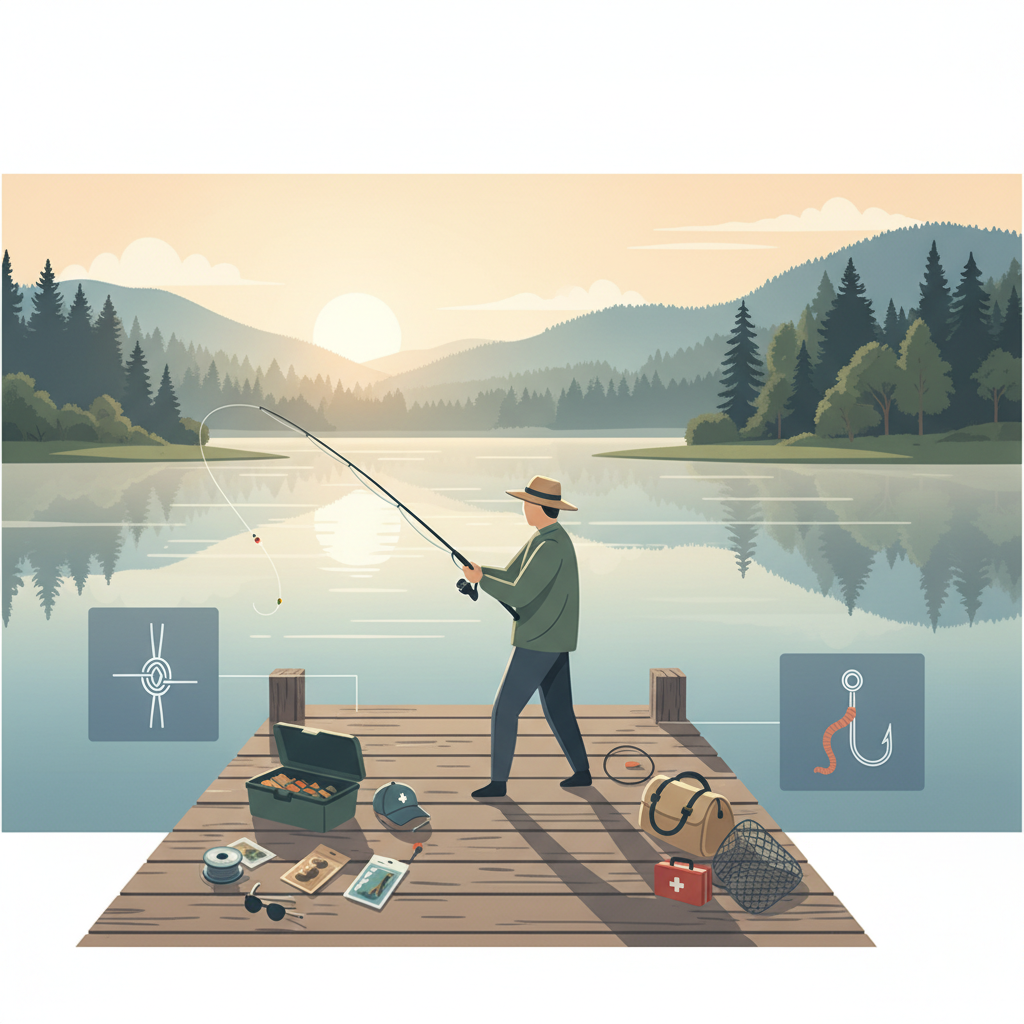
Accurate and controlled casting is a foundational skill. The most common technique for beginners is the overhead cast with a spinning reel.
- Hold the rod with your dominant hand, gripping the reel stem between your fingers.
- Open the bail of the spinning reel and hold the line with your index finger.
- Point the rod tip towards your target.
- Bring the rod back over your shoulder in a smooth motion, stopping at about 1 o’clock.
- Swing the rod forward, releasing the line with your index finger as the rod reaches the 10 o’clock position.
- Close the bail as the lure or bait hits the water to prevent tangles. Practice in an open area without hooks until you feel comfortable.
Knot Tying
Reliable knots are crucial for securing hooks, lures, and connecting lines. Two essential knots for beginners are:
- Improved Clinch Knot: Used to tie a fishing line to a hook, swivel, or lure. It’s strong and relatively easy to tie.
- Palomar Knot: Another very strong and reliable knot, particularly good for braided lines, but also effective with monofilament.
Numerous online resources and videos demonstrate these knots step-by-step. Practice tying them until you can do so quickly and confidently.
Baiting and Lure Presentation
- Natural Bait: When baiting with worms, thread the worm onto the hook so that a portion dangles freely, allowing for natural movement. For minnows, hook them lightly through the lip or dorsal fin to keep them lively.
- Lures: The presentation of a lure involves retrieving it in a way that mimics natural prey. Experiment with different retrieve speeds, pauses, and twitches. For soft plastics, a “lift and drop” or “drag” technique can be effective. Spinners and spoons generally work well with a steady retrieve.
Reading the Water and Locating Fish
Successful anglers learn to “read the water” – identifying potential fish-holding structures and areas. Look for:
- Structure: Submerged logs, rock piles, weed beds, docks, and bridge pilings provide cover and ambush points.
- Cover: Overhanging trees, lily pads, and shaded areas offer protection from predators and harsh sunlight.
- Changes in Depth: Drop-offs, ledges, and channels often concentrate fish.
- Current Seams: In rivers, where fast and slow currents meet, fish often wait for food to drift by.
- Baitfish Activity: Schools of small fish indicate the presence of predators.
Common Freshwater Fishing Targets for Beginners
Focusing on easily accessible and cooperative species can build confidence and skills.
Panfish (Bluegill, Crappie, Perch)
Panfish are excellent targets for beginners due to their abundance, willingness to bite, and relatively small size. They are found in most freshwater bodies and can be caught using simple setups with small hooks, bobbers, and natural baits like worms or crickets. Small spinners and jigs are also effective. Panfish are often found in schools around submerged brush, docks, and weed beds.
Bass (Largemouth, Smallmouth)
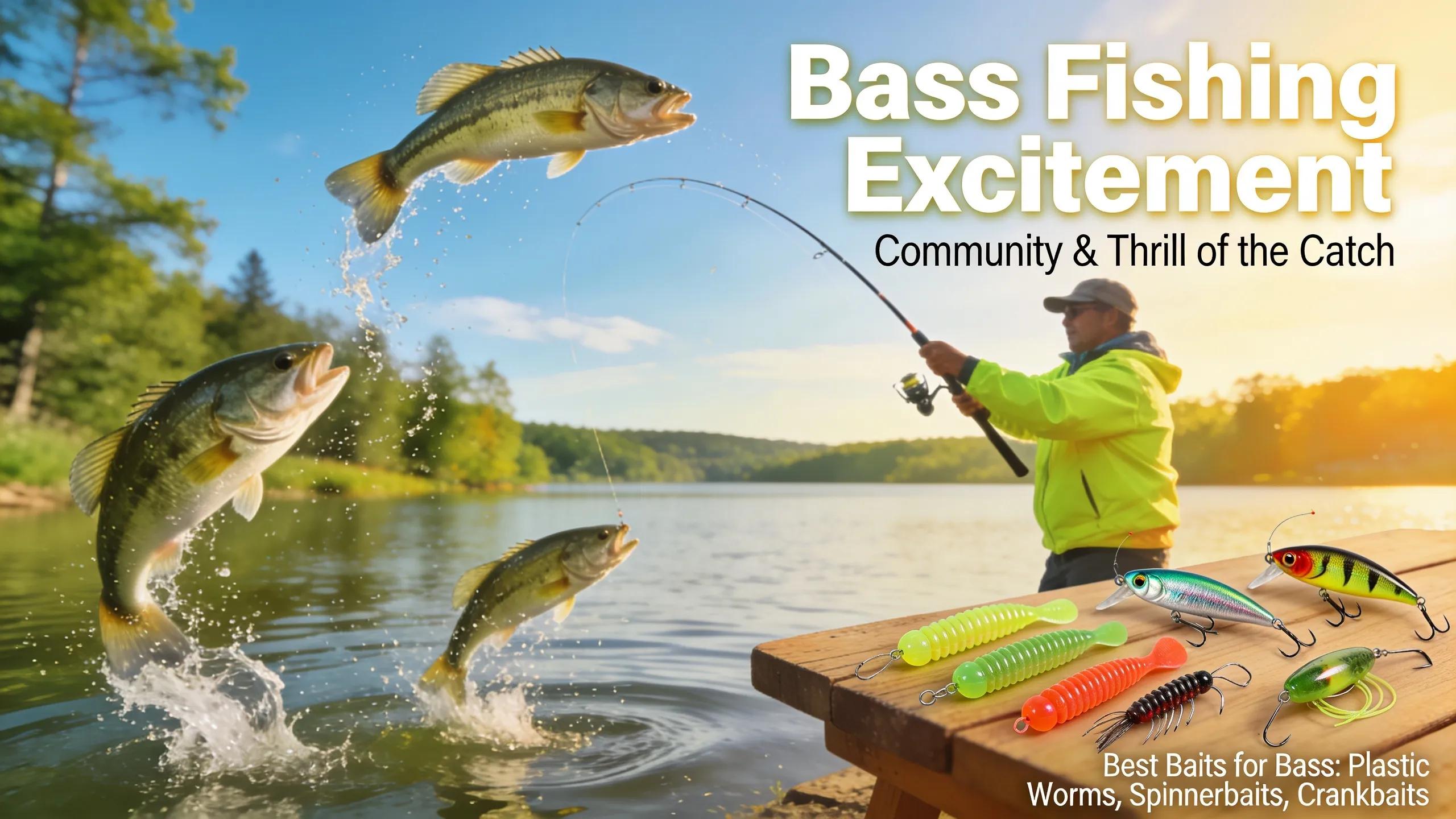
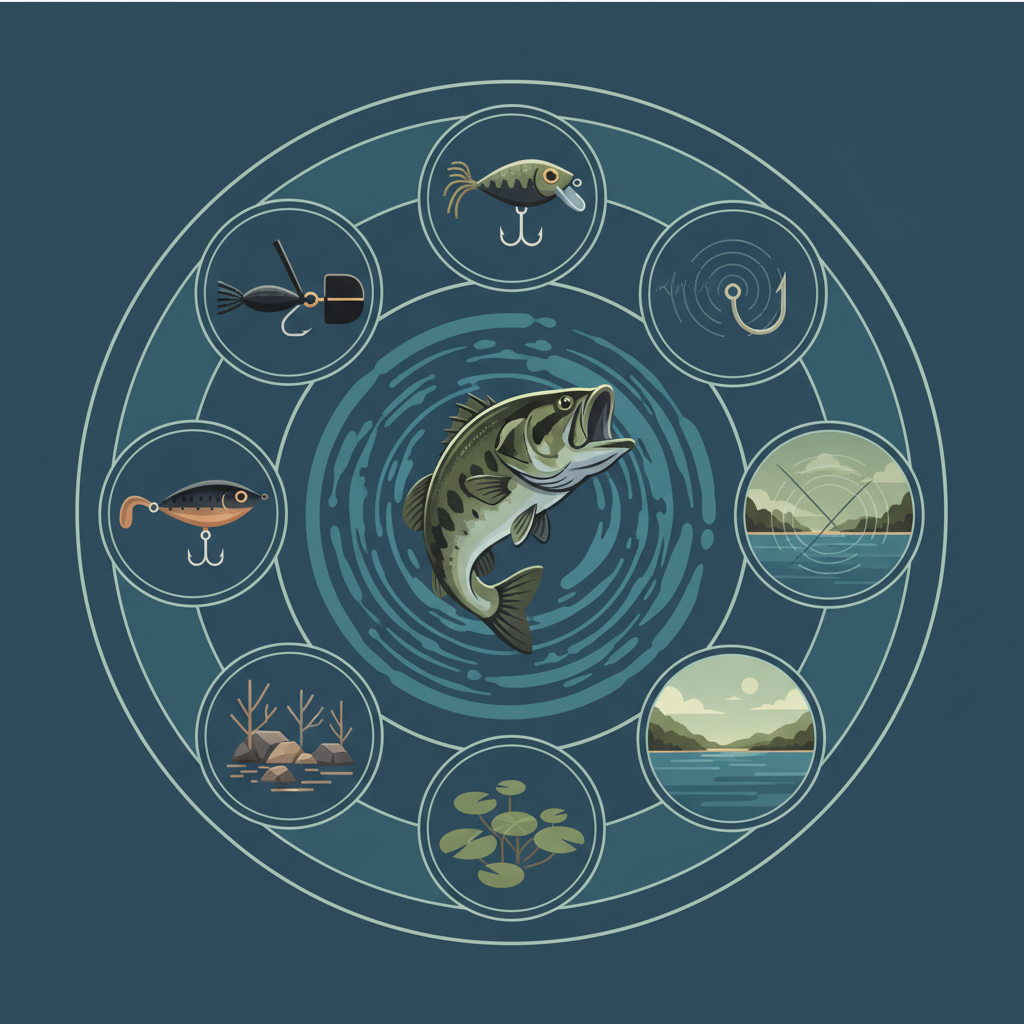
Bass are a highly popular sport fish, known for their aggressive strikes and strong fighting ability. Largemouth bass prefer warmer, shallower waters with plenty of cover, while smallmouth bass favor cooler, clearer waters with rocky bottoms. For beginners, soft plastic worms, spinnerbaits, and topwater lures can be very effective. Bass fishing often involves casting near structure and retrieving the lure in an enticing manner.
Catfish (Channel, Blue, Flathead)
Catfish are bottom-dwellers known for their whiskers (barbels) and often considerable size. They are omnivorous scavengers and can be caught using a variety of natural baits, including cut bait, chicken livers, and stink baits. Fishing for catfish typically involves a bottom-fishing rig with a heavy sinker to keep the bait on the bottom. They are often found in deeper holes in rivers and lakes, especially during warmer months.
Advanced Considerations and Continued Learning
As you gain experience, you may wish to explore more specialized aspects of fishing.
Fly Fishing
Fly fishing is an art form that uses an artificial “fly” to imitate insects and other prey, cast with a specialized fly rod and line. While it has a steeper learning curve than conventional fishing, it offers a deeply engaging and often visually stunning experience, particularly for trout and other cold-water species. Learning the specialized casting techniques and understanding entomology (insect life cycles) are key aspects of fly fishing.
Trolling and Jigging
Trolling involves dragging a lure or bait behind a moving boat to cover large areas and entice fish. It’s effective for species that roam open water, such as walleye, salmon, and some saltwater species. Jigging involves vertically moving a weighted lure (jig) up and down to attract fish that are holding close to the bottom or suspended in the water column. Both techniques require an understanding of fish depth and boat control.
Advanced Lure Selection and Presentation
As your skills develop, you’ll begin to understand the nuances of different lure types and how to present them effectively for specific conditions and species. This includes experimenting with crankbaits, jerkbaits, topwater lures, and various soft plastic rigging methods. Understanding lure action, color, and size in relation to water clarity, light conditions, and available forage becomes crucial for consistent success.
Environmental Factors and Seasonal Patterns
Experienced anglers pay close attention to environmental factors such as weather patterns, water temperature, barometric pressure, and moon phases, all of which can influence fish behavior. Understanding seasonal patterns—how fish move and feed during spring, summer, fall, and winter—is also vital for consistent success. For example, fish behavior changes significantly during spawning seasons compared to their feeding patterns in mid-summer.
Frequently Asked Questions
How do I choose the right fishing spot?
Choosing the right fishing spot involves research and observation. Start by consulting local bait shops, online fishing forums, or mapping applications that show public access points and water features. Look for areas with structure (like submerged trees, rocks, or docks), cover (like lily pads or overhanging vegetation), or changes in depth. Observing other anglers and asking for advice (respectfully) can also provide valuable insights into productive locations.
Is “catch and release” always necessary?
Catch and release is a responsible practice that helps maintain healthy fish populations, especially for popular sport fish or species under conservation efforts. It is not always necessary if you plan to keep fish within legal limits for consumption, but it should be done carefully to minimize harm to the fish. If you intend to release a fish, handle it gently, minimize its time out of water, and use appropriate tools like de-hookers.
What’s the best time of day to go fishing?
Generally, the best times to fish are during the “golden hours” – early morning (just after sunrise) and late evening (just before sunset). Fish are often more active during these cooler periods as light levels are lower, making them feel safer to feed. Overcast days can also be productive throughout the day. However, fishing can be successful at any time if you understand the specific species’ habits and the local conditions.
Do I need a fishing license to start fishing?
In almost all regions, a fishing license is required for anyone over a certain age (often 16 or 18) to legally fish in public waters. Regulations vary by state or country. Always check with your local wildlife or fisheries department for current requirements before you go fishing. Fishing without a license can result in fines.
What is the most important thing for a beginner to learn in fishing?
The most important thing for a beginner to learn is patience and persistence. Fishing is not always about catching fish; it’s also about enjoying the process, the environment, and the learning experience. Mastering basic casting and knot-tying are practical fundamentals, but a positive attitude and willingness to learn from each outing are paramount.