

The Ultimate Guide to Fishing Lures: Types and Uses
Fishing lures are artificial baits designed to attract fish through their appearance, movement, and vibration. Mimicking natural prey, these tools are central to modern angling, offering anglers a versatile and sustainable alternative to live bait. Their evolution from simple carved objects to sophisticated, technologically advanced devices reflects centuries of innovation driven by a deep understanding of fish behavior and aquatic ecosystems. This guide delves into the core concepts, practical applications, and diverse types of fishing lures, providing a comprehensive resource for both novice and experienced anglers seeking to enhance their fishing success.
Core Concepts and Historical Context
The fundamental principle behind a fishing lure is deception. Lures are crafted to trigger a fish’s predatory instincts, whether through visual cues, auditory signals, or tactile sensations. This mimicry can replicate injured prey, a fleeing baitfish, or even an insect struggling on the water’s surface. Understanding the target species’ diet, habitat, and sensory capabilities is paramount to selecting the most effective lure.
Historical Evolution of Lures
The history of fishing lures is as old as fishing itself. Early humans utilized sharpened bones, carved wood, and polished stones to attract fish. Evidence of primitive lures dates back thousands of years, with archaeological finds showcasing rudimentary hooks and weights designed to simulate prey. The 17th and 18th centuries saw the emergence of more refined designs, particularly in Europe, with the development of artificial flies for trout and salmon. The 19th and early 20th centuries marked a period of rapid innovation, particularly in North America, with the invention of spinnerbaits, spoons, and crankbaits. Materials evolved from natural elements to metals, plastics, and synthetic fibers, allowing for greater realism, durability, and specialized actions. By 2026, advancements in materials science and digital modeling continue to push the boundaries, enabling the creation of lures with unparalleled realism, customizable actions, and even integrated sensory technologies.
Key Lure Characteristics
- Action: Refers to how a lure moves in the water. This can be a wobbling, darting, vibrating, or swimming motion, designed to imitate natural prey.
- Color: Plays a crucial role in visibility and mimicry. Lure colors are often chosen based on water clarity, light conditions, and the natural coloration of the target species’ prey.
- Size and Shape: These attributes directly relate to the size and type of prey the lure is attempting to imitate. Matching the hatch (the natural food source available) is a common strategy.
- Sound and Vibration: Many lures incorporate rattles or create hydrodynamic vibrations to attract fish, particularly in murky water or low-light conditions where visual cues are limited.
- Buoyancy: Determines whether a lure floats, sinks, or suspends at a certain depth, influencing its presentation in the water column.
Practical Methodologies and Lure Types
Selecting the right lure involves considering several factors, including the target species, water conditions, depth, and time of day. A systematic approach to lure selection and presentation significantly increases fishing success.
Common Lure Types and Their Applications
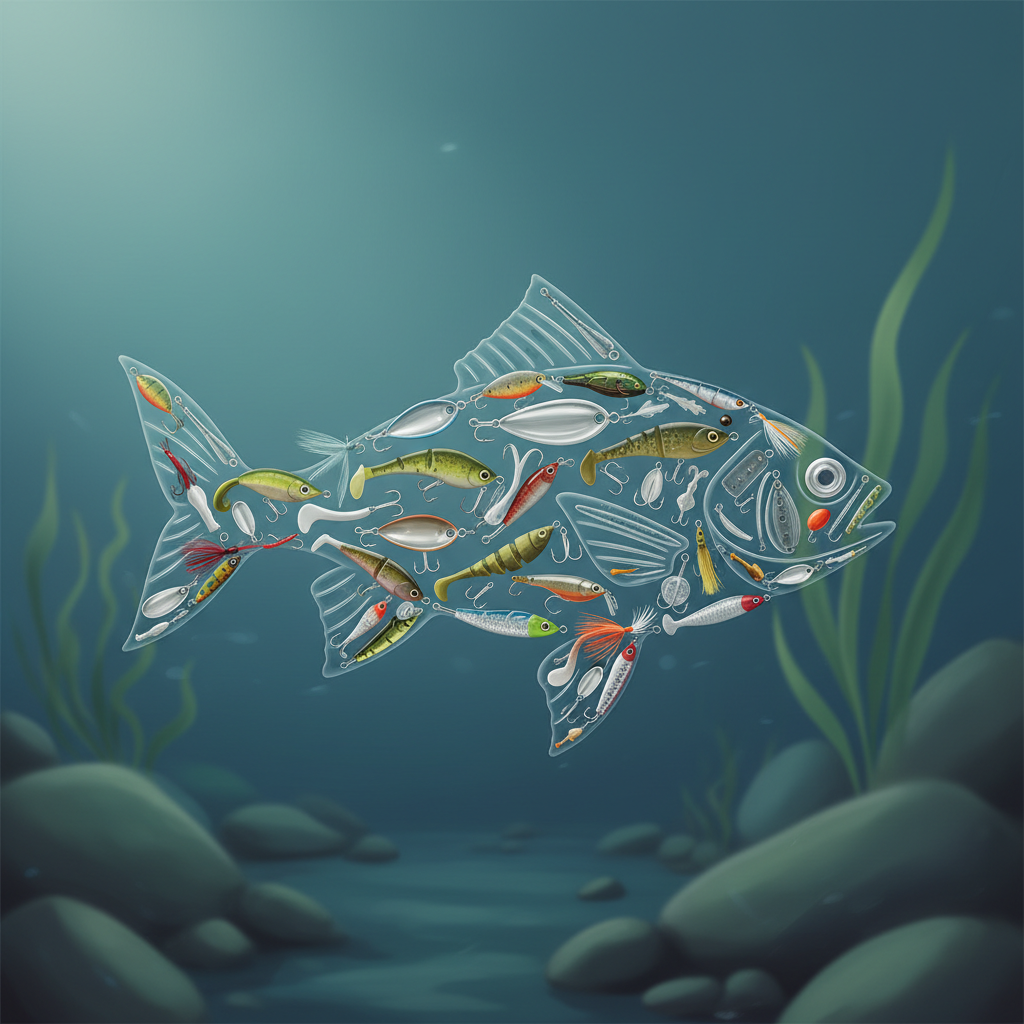
The vast array of fishing lures can be broadly categorized by their design and intended use:
Hard Baits
- Crankbaits: Characterized by a solid body and a lip or bill that causes them to dive and wobble when retrieved. Different lip designs dictate diving depth and action. They are highly effective for covering water and targeting fish at various depths.
- Jerkbaits/Minnows: Designed to imitate baitfish. They typically have a slender profile and are worked with a “jerking” or “twitching” retrieve to create an erratic, wounded-fish action.
- Topwater Lures: Designed to float on the surface, creating commotion to attract fish from below. Examples include poppers, walkers, and prop baits, known for exciting surface strikes.
- Swimbaits: Multi-jointed or soft-bodied lures designed to mimic the realistic swimming motion of baitfish. They can be hard or soft, and are often very effective for larger predatory fish.
Soft Plastics
Made from flexible plastic materials, these lures offer incredible versatility and realism. They are often rigged with hooks in various configurations (e.g., Texas rig, Carolina rig, drop shot).
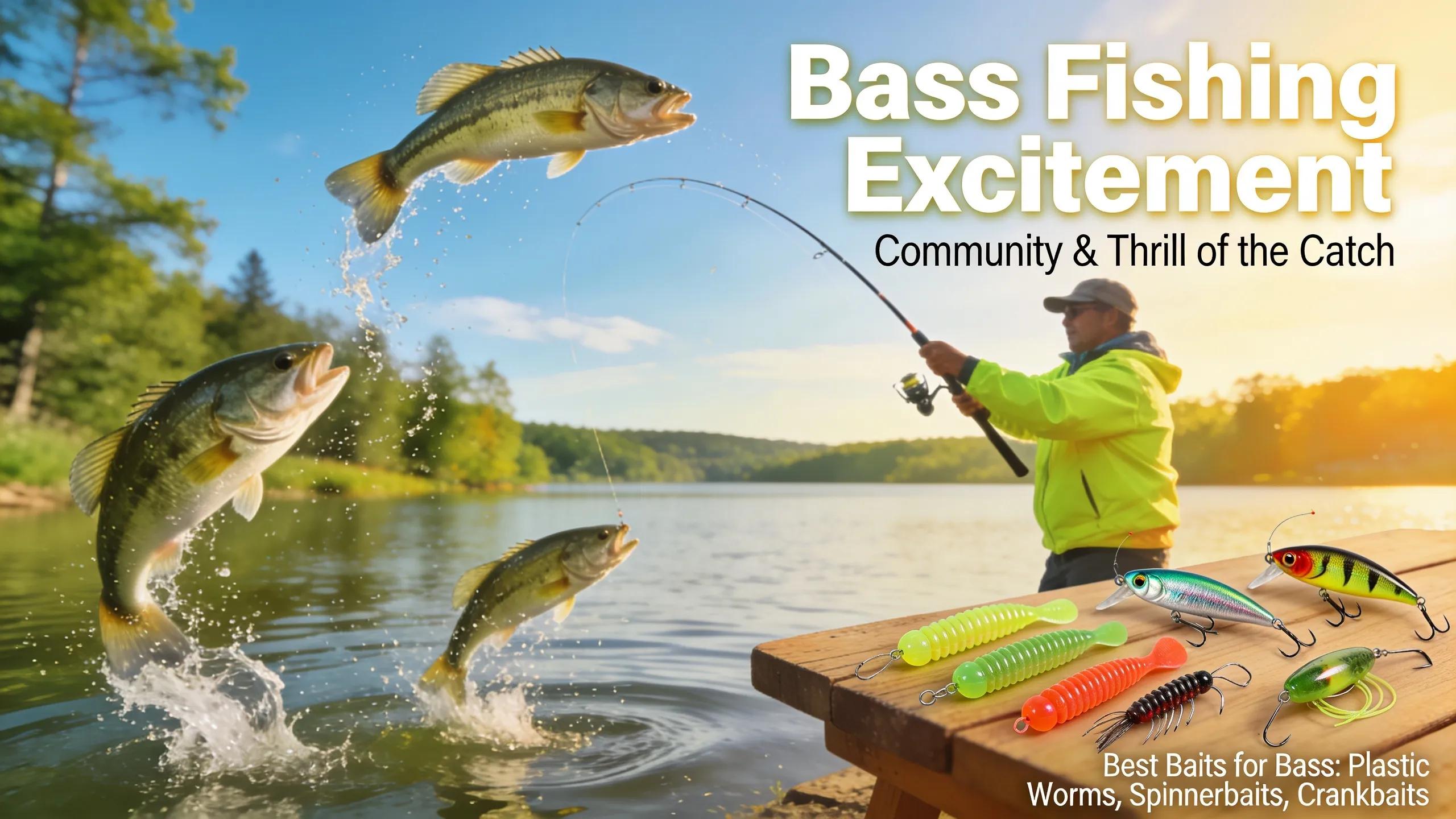
- Worms: Imitate earthworms, leeches, or aquatic invertebrates. Available in countless shapes, sizes, and colors, they are staples for bass fishing.
- Creature Baits: Designed with appendages that mimic crawfish, lizards, or other bottom-dwelling prey. Their irregular shapes create unique actions in the water.
- Grubs: Small, soft-bodied lures with a curled tail that creates vibration during retrieve. Effective for a wide range of species.
- Swim Shads/Paddle Tails: Soft plastic lures with a tail that kicks and vibrates, mimicking swimming baitfish. Often rigged on jig heads.
Metal Lures
- Spoons: Curved metal lures that wobble and flash when retrieved, mimicking injured baitfish. They are effective for both casting and trolling.
- Spinners: Feature a rotating blade that creates flash and vibration. Often combined with a weighted body or dressing, they are highly effective for various species in moving water.
- Spinnerbaits: Consist of one or more blades attached to a wire frame with a weighted head and a skirt. They are highly weedless and create significant flash and vibration, making them excellent for bass in cover.
Flies (Fly Fishing)
Specialized lures used in fly fishing, designed to imitate insects and other small aquatic life. They are presented with a fly rod and line.
- Dry Flies: Float on the surface, mimicking terrestrial or aquatic insects that have landed on the water.
- Wet Flies/Nymphs: Designed to sink and imitate aquatic insect larvae or pupae.
- Streamers: Larger flies designed to imitate baitfish or leeches.
Step-by-Step Lure Selection Guidance
- Identify Target Species: Research their primary diet, preferred habitats, and common behaviors.
- Assess Water Conditions:
- Clarity: Clear water often calls for more natural colors and subtle actions; murky water benefits from brighter colors, larger profiles, and lures that create strong vibrations.
- Temperature: Influences fish activity levels and where they hold in the water column.
- Current/Flow: Affects lure presentation and the type of action a lure will exhibit.
- Consider Depth: Determine the desired fishing depth. Use diving crankbaits for deeper water, topwater lures for surface activity, and jigs or weighted soft plastics for bottom fishing.
- Match the Hatch: Observe what fish are feeding on naturally (e.g., insects, baitfish, crawfish) and select a lure that closely mimics that prey in size, shape, and color.
- Experiment and Adapt: Start with a versatile lure, but be prepared to change lures, retrieve speeds, and presentations if not getting bites. Fish behavior can change rapidly.
Common Questions and Edge Cases
What is the role of scent in lures?
Scent can significantly enhance a lure’s effectiveness, especially for species that rely heavily on their sense of smell. Many soft plastic lures are infused with fish attractants, or anglers can apply external scents to any lure. Scent can encourage fish to hold onto a lure longer, giving the angler more time to set the hook, and can also mask human odors that might deter fish.
Are expensive lures always better?
Not necessarily. While some high-end lures boast superior craftsmanship, durable materials, or unique actions, many affordable lures are highly effective. The angler’s skill in presentation, understanding of fish behavior, and adaptability often outweigh the cost of the lure itself. Focus on selecting lures that match the conditions and target species, regardless of price point.
When should I use a topwater lure?
Topwater lures are most effective during low-light conditions (dawn, dusk), overcast days, or when fish are actively feeding on the surface. They are particularly exciting to use in calm water where their action creates maximum disturbance and visibility. Warm water temperatures often increase fish’s willingness to strike surface baits.
How do I choose the right lure color?
Lure color selection depends heavily on water clarity and light conditions. In clear water, natural colors (greens, browns, silver) are often effective. In murky or stained water, brighter colors (chartreuse, orange, white) or dark silhouettes (black, blue) can be more visible. On cloudy days or low light, darker colors can provide better contrast. On bright, sunny days, reflective colors or translucent options might be preferred.
What are the best lures for bass?
The “best” bass lure is highly situational, but perennial favorites include soft plastic worms (Texas-rigged or wacky-rigged), spinnerbaits, crankbaits (diving and squarebill), jerkbaits, and topwater frogs or poppers. In 2026, advanced soft plastics with enhanced scent impregnation and realistic swimming actions continue to gain popularity due to their effectiveness in various conditions.