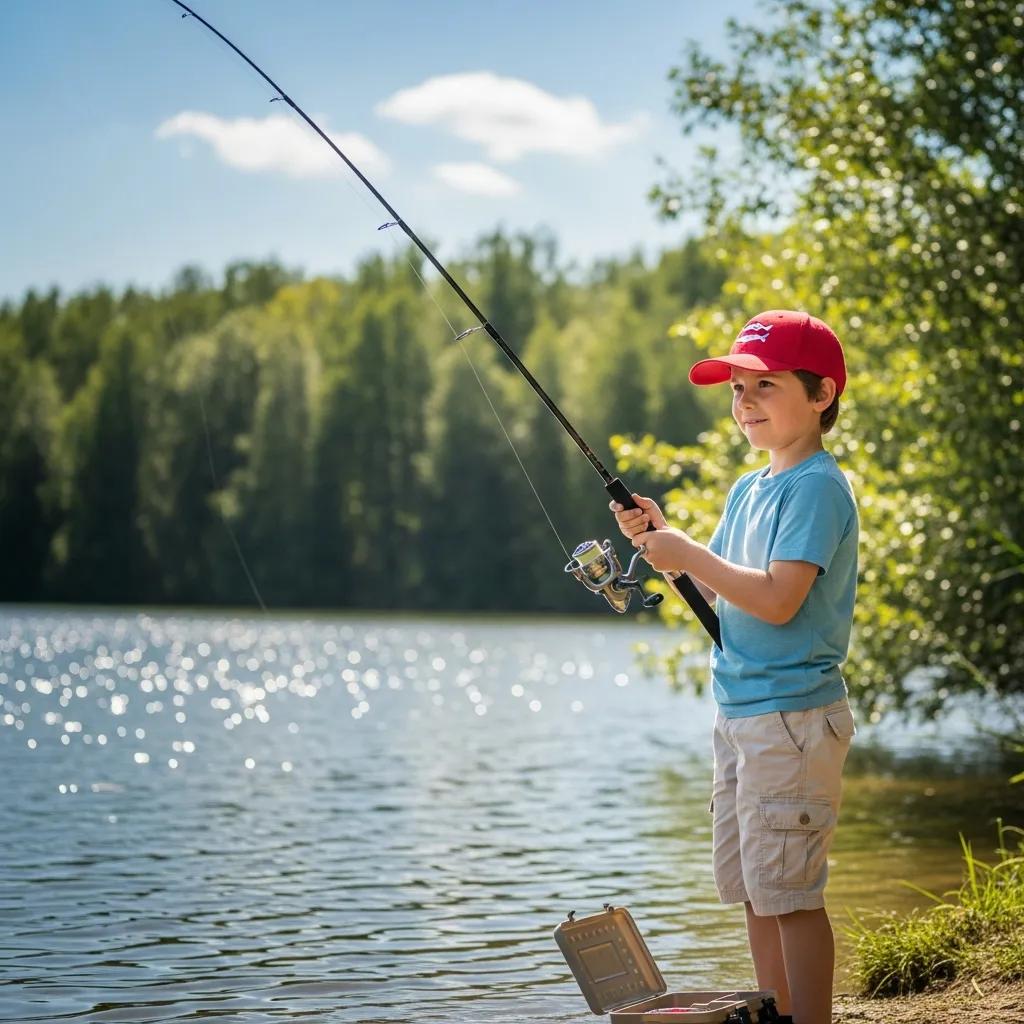
Understanding Fish Behavior: Tips for Better Fishing
Successful angling often hinges not just on the gear used, but on a nuanced understanding of the target species. Fish behavior, a complex interplay of instinct, environment, and learned responses, dictates everything from feeding patterns to migratory routes. By delving into the science behind how fish perceive their world and react to stimuli, anglers can refine their techniques, select more effective presentations, and ultimately increase their chances of a productive outing. This comprehensive guide explores the core principles of fish behavior, offering practical insights for anglers of all skill levels.
Core Concepts of Fish Behavior
At its heart, fish behavior is driven by fundamental biological imperatives: survival, reproduction, and sustenance. These drives manifest in a variety of observable actions and reactions, which can be categorized and studied. Understanding these core concepts provides a foundational framework for predicting how fish might respond in different scenarios.
Sensory Perception in Fish
Fish possess a remarkable array of sensory organs that allow them to navigate, feed, and avoid predators. Unlike humans, their primary senses are often tuned to their aquatic environment in unique ways.
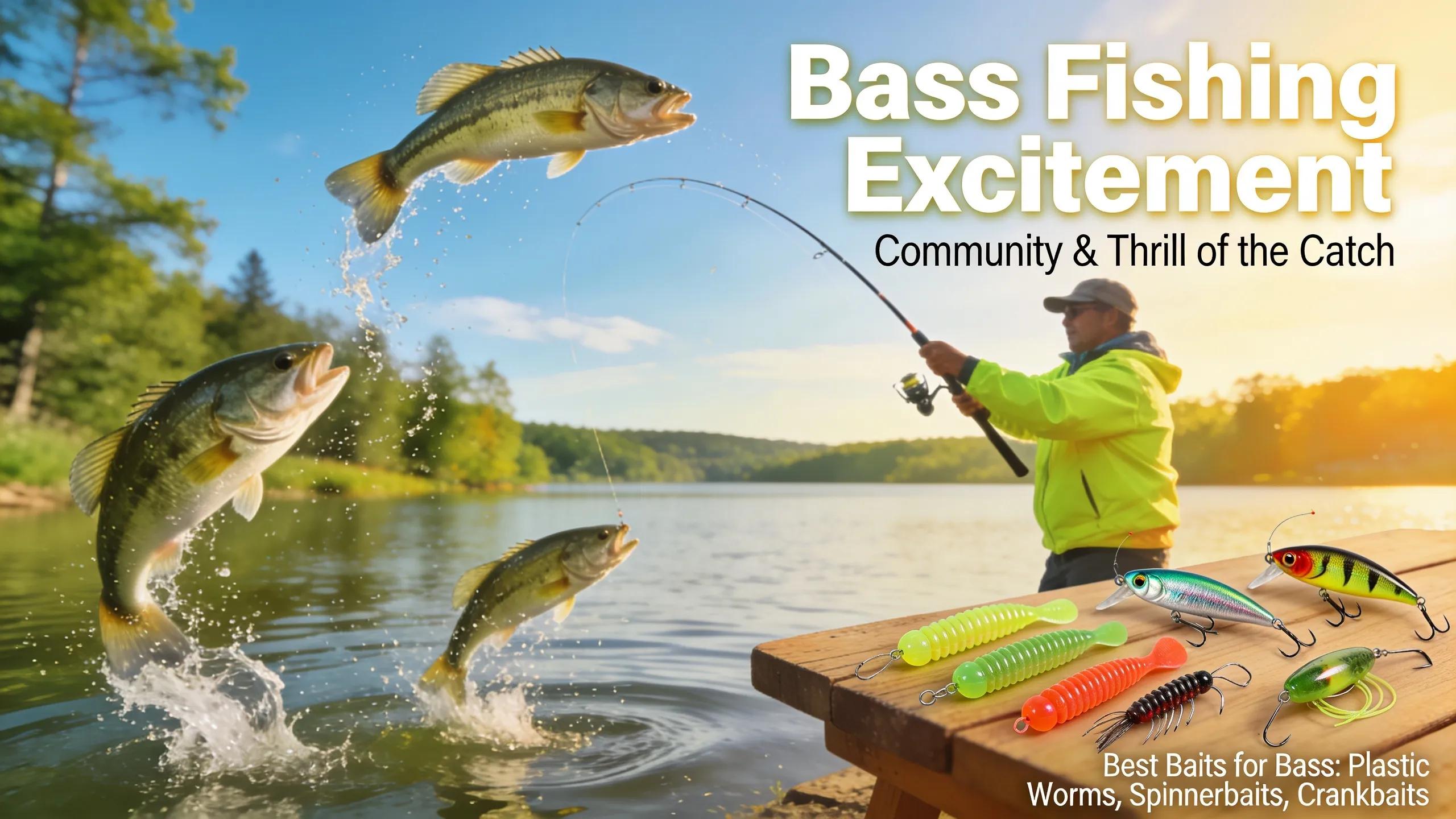
- Vision: While water clarity and light penetration significantly impact visual range, most fish have excellent eyesight, particularly for detecting movement and contrast. Some species, like bass, are highly visual predators. Their eyes are adapted for varying light conditions, from bright daylight to low-light dawn and dusk. Many fish can also perceive ultraviolet (UV) light, which can influence lure color effectiveness.
- Lateral Line System: This remarkable sensory organ, running along the sides of a fish’s body, detects vibrations and pressure changes in the water. It allows fish to sense nearby objects, prey movements, and even the subtle disturbances created by a passing lure. This is a critical sense for ambush predators and fish in murky water.
- Olfaction (Smell): Fish possess highly developed olfactory systems, capable of detecting minute concentrations of chemicals in the water. They use smell for locating food, identifying predators, recognizing mates, and navigating. Scented baits and attractants capitalize on this acute sense. Research in 2024-2026 continues to refine our understanding of specific chemical cues that trigger feeding responses.
- Audition (Hearing): Fish hear through internal ears and often through their swim bladder, which amplifies sound vibrations. They can detect a range of frequencies, from low-frequency thumps and thuds to higher-frequency clicks and chirps. Sounds from lures, boat motors, or even underwater geological activity can influence their behavior.
- Taste: Taste buds are not only located in the mouth but often on the lips, barbels, and even fins of some species. This allows fish to “taste” potential food items before fully ingesting them, influencing whether they hold onto a bait or spit it out.
Environmental Influences
The aquatic environment is a constant driver of fish behavior. Changes in these factors can dramatically alter where fish are found and how actively they feed.
- Water Temperature: Fish are cold-blooded, meaning their body temperature mirrors that of the surrounding water. Each species has an optimal temperature range for activity, feeding, and reproduction. Outside this range, their metabolism slows, and they become less active. For example, largemouth bass are most active in water temperatures between 65-75°F (18-24°C).
- Light Conditions: Light levels greatly influence fish activity. Many species are most active during dawn and dusk, when light is subdued. Overcast days can extend feeding windows, while bright sun often drives fish to deeper, shadier cover. The moon phase can also play a role, particularly for nocturnal feeders.
- Oxygen Levels: Dissolved oxygen is vital for fish survival. Low oxygen levels, often found in stagnant or very warm water, force fish to seek areas with higher oxygen, often near inflows or areas of increased circulation.
- Weather Patterns: Barometric pressure changes, wind, and precipitation all affect fish. Falling barometric pressure often precedes active feeding, while stable high pressure can lead to slower activity. Wind creates currents and stirs up food, but can also push baitfish, influencing predator location.
- Structure and Cover: Fish are inherently drawn to structure (e.g., rock piles, ledges, drop-offs) and cover (e.g., submerged vegetation, fallen trees). These provide ambush points, protection from predators, and shade. Understanding how different species utilize these features is crucial.
Practical Methodologies for Anglers
Translating an understanding of fish behavior into practical fishing success involves adopting specific methodologies and frameworks. This isn’t just about casting a line; it’s about making informed decisions.
Reading the Water
Before making a cast, take time to observe the water. Look for:
- Baitfish Activity: Splashing, schooling, or nervous baitfish often indicate the presence of predators.
- Surface Disturbances: Swirls, boils, or jumping fish are clear signs of activity.
- Structure and Cover: Identify visible submerged logs, weed lines, or rock formations.
- Current and Eddies: These areas often concentrate food and provide ambush points.
- Water Color and Clarity: These factors influence lure choice and presentation.
Understanding Feeding Patterns
Fish feeding patterns are not random. They are influenced by a combination of environmental factors and the fish’s metabolic needs.
- Optimal Feeding Windows: Learn the peak feeding times for your target species, often tied to dawn, dusk, or specific water temperatures.
- Foraging Strategies: Some fish are ambush predators, lying in wait for prey (e.g., pike, many bass species). Others are active hunters, constantly searching for food (e.g., trout in rivers, pelagic species). Your lure presentation should match their strategy.
- Prey Identification: Understand the primary forage base in the water you are fishing. “Matching the hatch” in fly fishing is a classic example, but the principle applies to all fishing; selecting lures that mimic local baitfish or insects is often highly effective.
Seasonal and Daily Migrations
Fish movements are not static. They undertake daily and seasonal migrations in response to environmental cues.
- Seasonal Movements: In spring, fish move to shallower waters for spawning. In summer, they may retreat to deeper, cooler water. Fall often sees a “feed-up” period before winter.
- Daily Movements: Fish might move from deep cover to shallow feeding flats during low light, then retreat to deeper structure as the sun rises. Understanding these patterns allows you to target different areas at different times of the day.
Common Questions and Edge Cases
Q: What about fish in murky or discolored water? How does their behavior change?
A: In murky water, fish rely less on vision and more on their other senses, particularly their lateral line and olfaction. Anglers should use lures that create strong vibrations, displacement, or sound (e.g., spinnerbaits, noisy crankbaits). Scented baits or attractants become particularly effective. Fish in murky water may also hold closer to cover or structure, as their visual range is reduced, making ambush tactics more important.
Q: Does barometric pressure really affect fish behavior?
A: Yes, many anglers and scientific studies suggest a correlation. A falling barometer often indicates an approaching weather front, which can trigger an aggressive feeding response as fish instinctively feed before the weather deteriorates. A rising or stable high barometer can sometimes lead to reduced activity, as fish feel less urgency to feed. However, this is not a universal rule and can vary by species and location.
Q: How do fish react to fishing pressure?
A: Fish in heavily fished areas often become “educated” or “pressured.” They learn to associate certain sounds, shadows, or lure presentations with danger. This leads to more cautious behavior, requiring anglers to use lighter lines, smaller baits, subtle presentations, and approach areas with greater stealth. Pressured fish might also feed during off-peak hours or in less accessible locations.