Selecting the Best Bass Lures GoFishTalk Enthusiasts Recommend for 2026

Share

Selecting the Best Bass Lures GoFishTalk Enthusiasts Recommend for 2026

Bass fishing success often hinges on selecting the right lure for specific water conditions and seasonal behaviors, a challenge that can lead to wasted time and empty livewells. Understanding the relationship between lure action and bass sensory perception allows anglers to make informed decisions rather than relying on guesswork. By analyzing current community data and technical lure specifications, fishermen can optimize their tackle boxes for consistent results throughout the year.

The Evolution of Bass Lure Technology and Selection

The history of bass lure evolution shows a shift from simple wood plugs to sophisticated designs using advanced materials. By 2026, lures often leverage material science innovations like carbon fiber and biodegradable composites. Modern lures are engineered to emit specific hydroacoustic signatures, triggering a predatory response from the bass’s lateral line. Historically, focus was on color and profile; now, water displacement and vibration frequencies are key. Bio-polymer materials offer a natural texture and scent retention, transforming lure effectiveness beyond aesthetics, triggering curiosity or defensive strikes even when bass are not actively feeding.

Furthermore, environmental sensors integrated into fishing gear enhance selection by matching lure buoyancy and rattle frequency to daily thermocline and barometric conditions. Examples include Humminbird Helix units with barometer readings. GoFishTalk members note significant catch increases when adapting to micro-variables, underscoring that the best lure choice is dynamic, not static. In 2026, successful anglers view their tackle boxes as sensory toolkits rather than collections of shapes and colors.

Analyzing High-Performance Soft Plastics for Seasonal Versatility

best bass lures gofishtalk

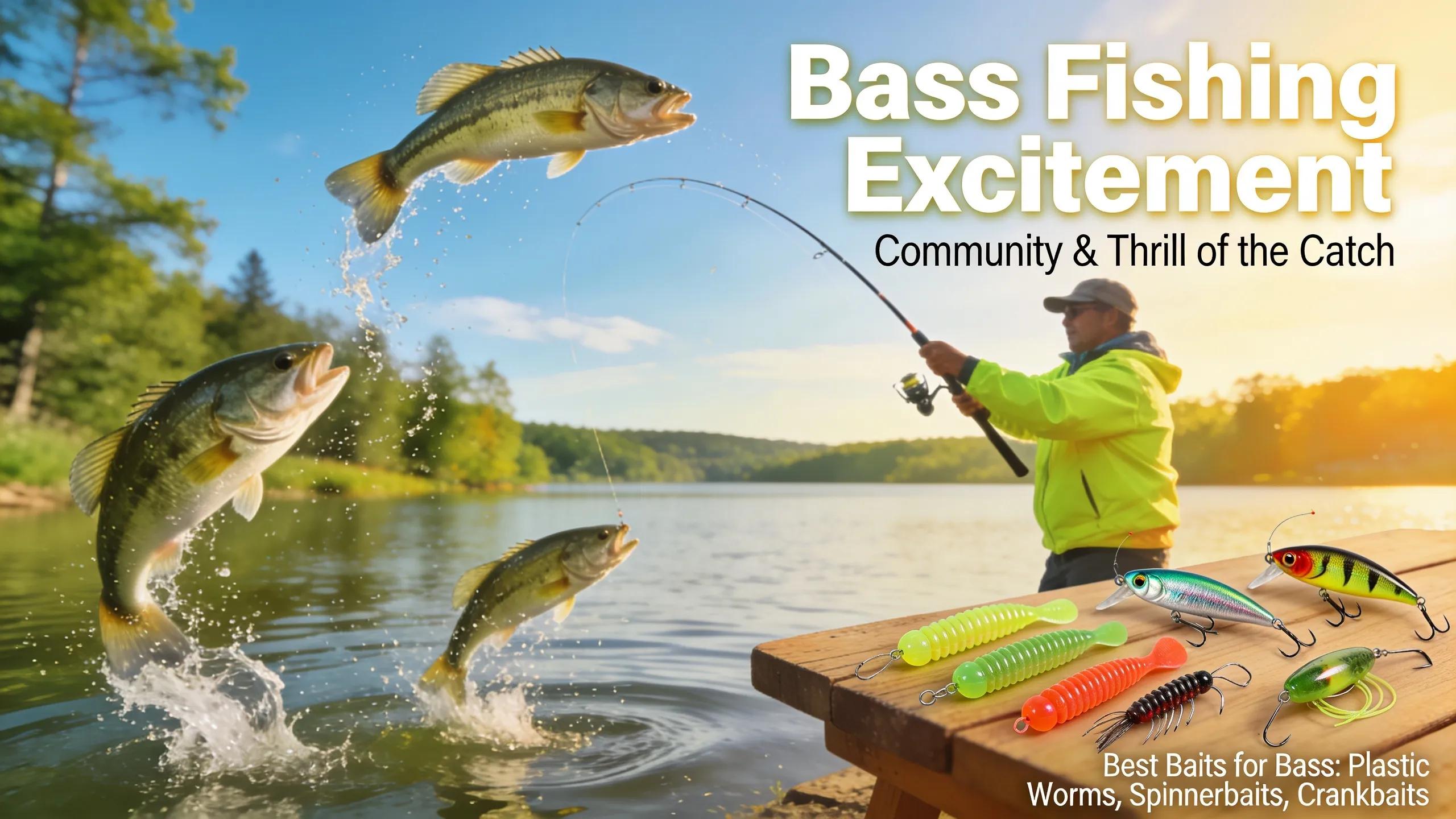
Soft plastics remain central to any effective bass fishing strategy due to their versatility and realistic movement. In 2026, standout soft plastics are crafted from elastomer materials with high elasticity and scent retention. Stick baits with tapered designs ensure slower and erratic falls, particularly effective post-spawn when bass seek easy prey. Rigging flexibility—Texas, Carolina, or lateral-drop rigs—makes them indispensable in heavy cover or deep structures, where bass linger during hot days.

Beyond traditional worm profiles, creature baits are resurging in 2026 with exaggerated appendages that displace more water. Ideal for flipping and pitching into dense vegetation or submerged timber, their “flapping” claws create detectable thumps in murky water. The sink rate, influenced by hook weight and plastic density, determines many lure choices. Anglers mastering soft plastic nuances can target bass in diverse water conditions, making these lures modern tackle box staples.

Hard Baits and Reaction Lures for High-Activity Windows

During bass baitfish hunts, reaction lures like crankbaits and jerkbaits shine for covering water and locating active schools. Leading 2026 crankbaits include lipless models equipped with tungsten weight features, crucial for long casts reaching spooky fish in clear water or vast flats during autumn baitfish migrations. Sound customization—options like high-pitched glass or low-frequency “one-knocker” beads—tunes lures to ambient underwater noise and fish mood.

Jerkbaits have evolved with “suspending” technology calibrated to water temperatures, staying level during pauses to trigger strikes, vital in late winter or early spring. In 2026, visual realism advances include holographic finishes and 3D-scanned scales. Focusing on erratic “darting” action with pauses can prompt aggressive bass strikes, often missed with slow presentations.

Integrating Fish Finder Data into Lure Presentation

best bass lures gofishtalk

In 2026, the integration of fish finders with lure selection is unparalleled. Modern sonar, such as Lowrance HDS-Live, provides detailed images helping identify both fish and prey species. Data on specific baitfish, like shad schools, guides lure size and color decisions. When bass stack on deep rocky ledges, heavy football jigs or deep-diving crankbaits efficiently reach them. Real-time sonar descent visualization allows for precise retrieve speed and jigging adjustments.

Fish finders also identify active water column depths. For instance, fish suspended at 12 feet over 20-foot bottoms warrant crankbaits rated at 12-14 feet, optimizing lure path through schools and minimizing “dead water” time. The combination of GoFishTalk’s community insights and modern electronics enhances fishing effectiveness, maximizing every cast and reducing traditional lure selection trial-and-error.

Strategic Seasonal Tactics for Optimized Catch Rates

Effective bass fishing requires a seasonal roadmap that dictates which lures to use as water temperature and daylight change. Spring strategies focus on transition from deep winter areas to shallow spawning flats using slow-moving jigs and soft plastic lizards, mimicking egg predators. As summer arrives, bass shift to deeper waters or heavy vegetation for refuge, necessitating topwater lures in the morning and deep-diving crankbaits or heavy plastics during the day. Aligning lure selections with these biological movements, as discussed by GoFishTalk, ensures fishing where bass actually dwell.

During fall’s cooler temperatures and feeding frenzies, lures mimicking baitfish like spinnerbaits and swimbaits are vital for reaction strikes. Winter transitions to finesse tactics with small hair jigs and dropshot rigs dominating, as bass metabolisms slow. In 2026, advanced fluorocarbon lines and sensitive rods detect subtle cold-water bites. Seasonal pattern mastery leads to consistent success, beyond just peak spring or fall months.

Conservation and Sustainable Lure Selection Benefits

In 2026, bass lure discussions embrace environmental impacts and long-term waterway health. Recommended lures, like lead-free bismuth or tungsten options, are environmentally safer and offer performance benefits, such as heightened sensitivity and reduced profiles at equivalent weights. Biodegradable soft plastics address lost lure ecosystem impacts, decomposing into harmless matter, preserving habitats.

The 2026 trend toward barbless or “circle” hooks reduces fish stress and injury during catch-and-release, crucial for high-pressure public waters. Conservation-minded lure choices are practical and ethical, ensuring sport sustainability. Often higher quality, they outperform cheaper, less sustainable alternatives. Incorporating conservation into bass fishing discussions preserves the catch thrill for the future.

Conclusion: Refining Your 2026 Bass Fishing Strategy

Mastering the selection of the best bass lures GoFishTalk enthusiasts endorse needs a mix of technical expertise, environmental insight, and seasonal adaptability. By focusing on sensory-driven lures, leveraging modern sonar, and choosing sustainable gear, anglers can boost their fishing efficiency. Now is the time to audit tackle boxes, swap outdated lead weights for tungsten, and upgrade to high-performance soft plastics aligning with 2026’s biological bass fishing standards.

How do I choose the best bass lures for murky water in 2026?

In murky water, bass rely heavily on their lateral line to detect vibrations rather than sight. You should choose lures that create significant water displacement or emit low-frequency sounds, such as large-bladed spinnerbaits, wide-wobbling crankbaits, or bulky creature baits. Darker colors like black and blue or dark green pumpkin provide the best silhouette against the clouded water, making it easier for the bass to locate the lure once they have sensed its movement. Using scent-infused plastics also adds a chemical trail that helps the fish home in on the target.

What is the most effective color for bass lures on the GoFishTalk forums?

Effective color selection in 2026 is primarily determined by water clarity and the primary forage species present in the lake. For clear water, natural and translucent shades such as watermelon, ghost shad, or pro-blue are highly recommended to avoid spooking wary fish. In stained or muddy water, high-contrast colors like black/blue, chartreuse, or firetiger are more effective. The GoFishTalk community generally agrees that “matching the hatch” by identifying whether the bass are eating crawfish, shad, or bluegill is more important than any single “best” color.

Can I use saltwater fishing lures for largemouth bass?

Saltwater lures can be used for largemouth bass, especially larger swimbaits or topwater poppers that mimic large forage like gizzard shad or hitch. However, you must be mindful of the hook gauge and hardware; saltwater hooks are often thicker and may require heavier rods and lines to set properly in a bass’s mouth. Additionally, some saltwater lures are designed for faster retrieve speeds than what is typically effective for bass. In 2026, many crossover lures exist that work well in both environments, provided the presentation is adjusted to the bass’s specific behavior.

Why are tungsten weights preferred over lead for bass fishing?

Tungsten weights are preferred in 2026 because they are much denser than lead, allowing for a smaller profile that is less likely to snag in heavy cover. The increased density also provides superior sensitivity, allowing the angler to feel subtle changes in bottom composition, such as transitioning from mud to gravel. Furthermore, tungsten is environmentally friendly and non-toxic, which is a critical consideration for conservation. While more expensive, the performance benefits and environmental safety make tungsten the standard for modern professional and recreational bass anglers alike.

Which fishing knots are best for securing heavy bass lures?

For securing heavy bass lures, the Palomar knot and the San Diego Jam knot are the most reliable choices in 2026. The Palomar knot is exceptionally strong and easy to tie with braided line or fluorocarbon, making it ideal for jigs and Texas rigs. The San Diego Jam knot is preferred for heavy fluorocarbon when fishing deep-diving crankbaits or swimbaits, as it handles the friction of thick-diameter lines better than a standard clinch knot. Always lubricate your knots with water or line conditioner before tightening to prevent heat damage to the line’s integrity.