Discover the Best Fishing Rods for Every Angler: Your Ultimate Buying Guide
Choosing the right fishing rod can significantly enhance your angling experience, whether you’re a novice or a seasoned pro. This comprehensive guide will help you navigate the various types of fishing rods available, their specific uses, and how to select the best one based on your skill level. Many anglers struggle with understanding the differences between rod types and features, which can lead to frustration and suboptimal fishing experiences. By the end of this article, you’ll have a clear understanding of fishing rod types, essential features to consider, and the best brands in the market. We will also explore maintenance tips to ensure your fishing rod lasts for years.
What Are the Different Types of Fishing Rods and Their Uses?
Fishing rods come in various types, each designed for specific fishing techniques and environments. Understanding these types is crucial for selecting the right rod for your needs. The main types of fishing rods include spinning rods, casting rods, fly rods, and telescopic rods.
- Spinning Rods: These are versatile and easy to use, making them ideal for beginners. They are designed for light to medium fishing and are suitable for various species.
- Casting Rods: These rods are typically used for heavier lures and baits, providing greater accuracy and distance. They are favored by experienced anglers for bass fishing and other similar applications.
- Fly Rods: Designed specifically for fly fishing, these rods are lightweight and flexible, allowing for delicate presentations of flies to fish.
- Telescopic Rods: These rods are compact and portable, making them perfect for travel. They can extend to various lengths, accommodating different fishing styles.
Each rod type has its advantages and disadvantages, which can affect your fishing success depending on the conditions and species targeted.
How Do Spinning, Casting, Fly, and Telescopic Rods Differ?
The differences between spinning, casting, fly, and telescopic rods lie primarily in their design and intended use.
- Spinning Rods: Characterized by their open-faced reels, spinning rods allow for easy casting and retrieval. They are generally lighter and more flexible, making them suitable for smaller fish.
- Casting Rods: These rods feature a closed reel system, providing better control and accuracy for casting heavier lures. They are often stiffer, which helps in setting the hook quickly.
- Fly Rods: Fly rods are unique in that they are designed to cast lightweight flies. Their length and flexibility allow for precise casting in various water conditions.
- Telescopic Rods: These rods can collapse into a compact size, making them convenient for transport. They are versatile but may not offer the same performance as fixed-length rods.
Understanding these differences will help you choose the right rod for your fishing style and target species.
Which Rod Types Are Best Suited for Beginners, Intermediates, and Experts?
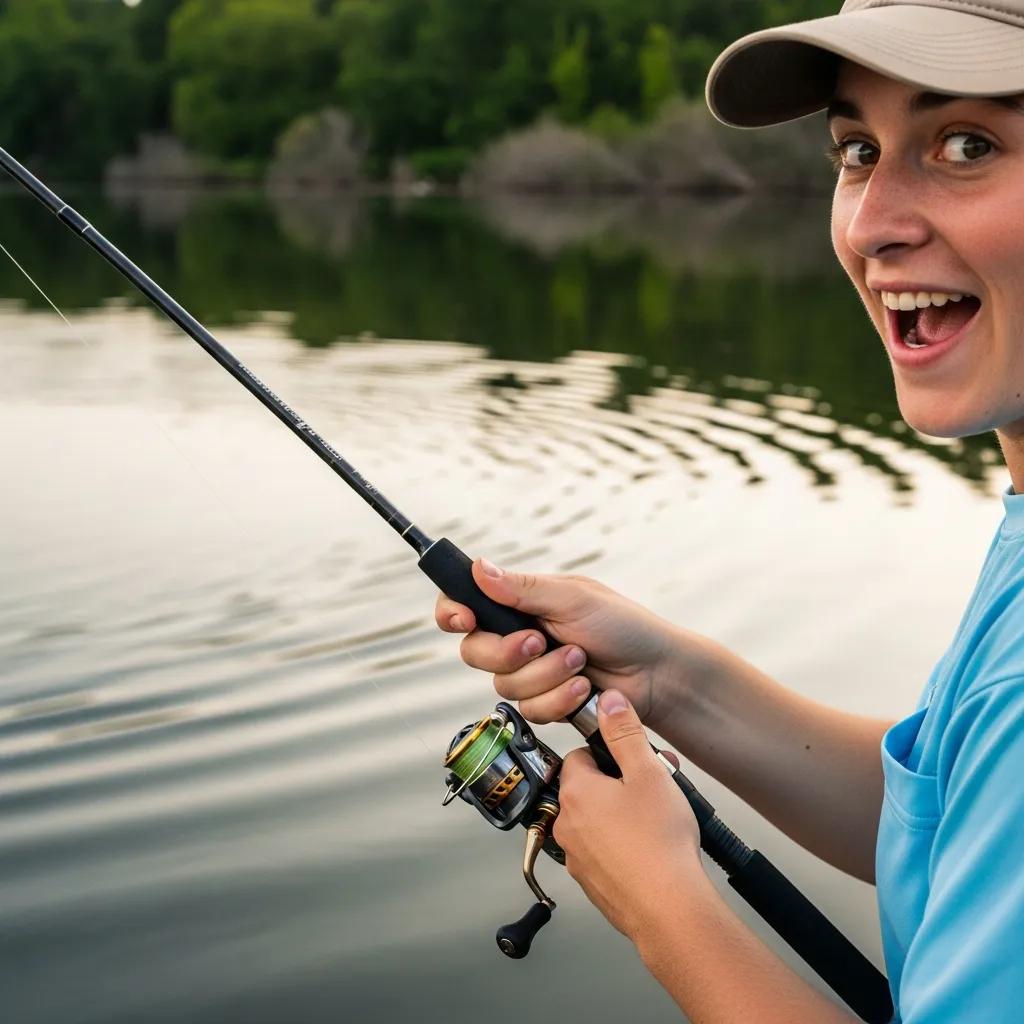
Selecting the right fishing rod can vary significantly based on your skill level.
- Beginners: Spinning rods are often recommended for novices due to their ease of use and versatility. They allow for a straightforward learning curve and are suitable for various fishing environments.
- Intermediates: As anglers gain experience, they may prefer casting rods for their accuracy and ability to handle heavier lures. This transition allows for more specialized fishing techniques.
- Experts: Experienced anglers often choose fly rods or specialized casting rods tailored to specific fishing conditions. Their knowledge of fishing techniques enables them to select rods that enhance their performance.
By understanding the appropriate rod types for each skill level, you can make a more informed decision when purchasing your fishing gear.
How to Choose the Right Fishing Rod Based on Your Skill Level
Choosing the right fishing rod involves considering several factors, including your skill level, the type of fishing you plan to do, and your budget.
- Skill Level: Beginners should opt for spinning rods, while intermediates may benefit from casting rods. Experts can explore specialized options like fly rods.
- Fishing Type: Consider whether you will be fishing in freshwater or saltwater, as this can influence the rod material and design.
- Budget: Determine how much you are willing to spend. Quality rods can range from affordable to premium prices, so it’s essential to find one that fits your budget without compromising on quality.
For those seeking high-quality fishing rods, Information Hub offers a range of options tailored to different skill levels and fishing styles.
What Features Should Beginners Look for in a Fishing Rod?
When selecting a fishing rod, beginners should focus on several key features to ensure a positive experience:
- Rod Length: A length of 6 to 7 feet is ideal for beginners, providing a good balance between casting distance and control.
- Rod Power: Choose a medium power rod, which offers versatility for various fishing situations.
- Material: Graphite rods are lightweight and sensitive, making them suitable for beginners. Fiberglass rods are more durable but heavier.
- Action: A moderate action rod provides a good balance of flexibility and strength, making it easier to catch fish.
By focusing on these features, beginners can select a rod that enhances their fishing experience and builds confidence.
How Do Intermediate and Expert Anglers Select Their Rods Differently?
Intermediate and expert anglers often have different criteria for selecting fishing rods compared to beginners.
- Intermediate Anglers: They may prioritize rod sensitivity and action, opting for rods that provide better feedback when a fish bites. They often choose casting rods for their accuracy and ability to handle heavier lures.
- Expert Anglers: These anglers typically look for specialized rods tailored to specific fishing techniques, such as fly rods for fly fishing or heavy-duty casting rods for big game fishing. They also consider the rod’s material and construction quality to ensure optimal performance.
Understanding these differences can help you progress in your fishing journey and select rods that match your growing skills.
Which Are the Best Fishing Rod Brands and What Sets Them Apart?
Several brands are renowned for their quality fishing rods, each offering unique features and benefits.
- Shimano: Known for its innovative designs and high-quality materials, Shimano rods are favored by many anglers for their durability and performance.
- St. Croix: This brand is celebrated for its handcrafted rods, which provide exceptional sensitivity and strength, making them ideal for serious anglers.
- Ugly Stik: Recognized for their toughness and reliability, Ugly Stik rods are perfect for beginners and experienced anglers alike, offering great value for money.
These brands stand out in the fishing rod market due to their commitment to quality and performance, catering to a wide range of fishing styles and preferences.
What Are the Key Features of Shimano, St. Croix, and Ugly Stik Rods?
To better understand what makes these brands unique, let’s compare their key features:
| Brand | Feature | Description |
|---|---|---|
| Shimano | Innovative Design | Incorporates advanced materials for durability. |
| St. Croix | Handcrafted Quality | Offers exceptional sensitivity and performance. |
| Ugly Stik | Tough and Reliable | Known for their durability and affordability. |
This comparison highlights how each brand caters to different angler needs, ensuring that there is a suitable option for everyone.
How Do Brand Materials and Technologies Impact Performance?
The materials and technologies used in fishing rods significantly impact their performance.
- Graphite: Lightweight and sensitive, graphite rods provide excellent feedback, making them ideal for detecting bites.
- Fiberglass: More durable and flexible, fiberglass rods are suitable for heavy-duty fishing but may lack sensitivity compared to graphite.
- Composite Materials: Many modern rods use a combination of materials to balance sensitivity and durability, catering to various fishing styles.
Further research delves into the specific properties and testing protocols for composite materials used in fly fishing rods.
Fly Fishing Rod Composite Materials & Flexure Testing
A testing protocol was established for measuring the flexure properties of thin-walled tubes constructed of a composite mixture of glass and carbon fibers and epoxy resin for use in Fly Fishing rods. Standard three point bend tests were conducted in accordance with ASTM standard D7329-13 with a span length of six inches. All samples were of the sample length and diameter, allowing direct comparison of the maximum loads reached before failure, which are directly indicative of the Modulus of Rupture (MOR).
Mechanical Testing of Multi-Construction Composite Tubes for use in Fly Fishing Rods, 2015
Understanding these material differences can help anglers select rods that enhance their fishing experience.
What Are the Benefits of Different Fishing Rod Materials?
Different fishing rod materials offer distinct advantages that can affect performance and user experience.
- Graphite: Provides excellent sensitivity and lightweight construction, making it easier to detect bites and cast longer distances.
- Fiberglass: Known for its durability and flexibility, fiberglass rods are less likely to break under stress, making them ideal for beginners.
- Composite: Combining the best features of both graphite and fiberglass, composite rods offer a balance of sensitivity and strength.
Choosing the right material based on your fishing style and preferences can enhance your overall experience on the water.
How Do Graphite and Fiberglass Materials Affect Rod Action and Durability?
The choice between graphite and fiberglass materials can significantly influence a rod’s action and durability.
- Graphite Rods: These rods typically have a faster action, allowing for quick hook sets and better sensitivity. However, they can be more prone to breakage if not handled carefully.
- Fiberglass Rods: Offering a slower action, fiberglass rods provide more flexibility, which can be beneficial for fighting larger fish. They are generally more durable and can withstand rough handling.
Understanding these differences can help anglers select rods that match their fishing style and conditions.
What Are the Latest Innovations in Lightweight and Eco-Friendly Rod Materials?
Recent advancements in fishing rod materials focus on creating lightweight and eco-friendly options.
- Sustainable Materials: Many brands are now using recycled materials and sustainable practices in rod production, reducing environmental impact.
- Advanced Composites: Innovations in composite materials have led to lighter rods that maintain strength and sensitivity, enhancing performance without compromising durability.
These innovations reflect a growing trend towards sustainability in the fishing industry, appealing to environmentally conscious anglers.
How Can You Maintain and Care for Your Fishing Rod to Ensure Longevity?
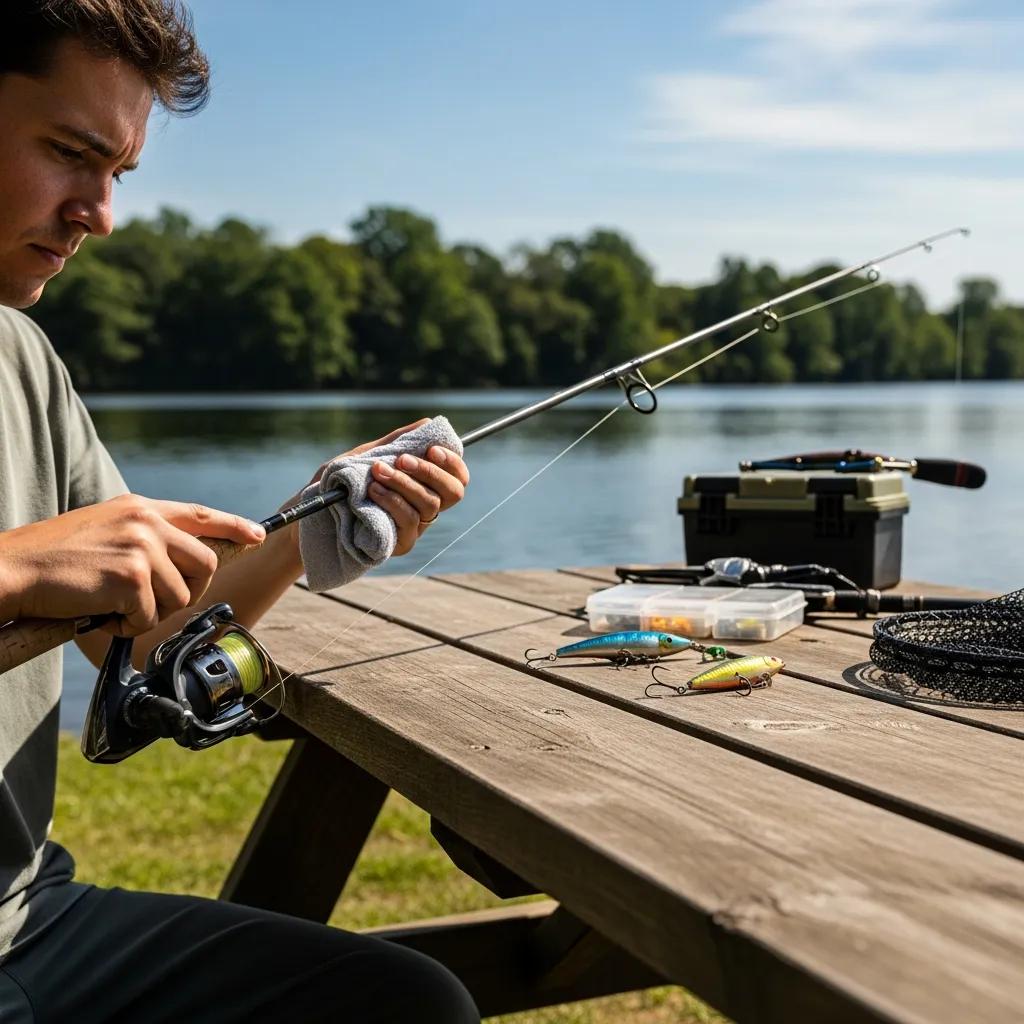
Proper maintenance is essential for ensuring the longevity of your fishing rod.
- Cleaning: Rinse your rod with fresh water after each use to remove salt and debris. Use a soft cloth to wipe down the rod and guides.
- Storage: Store your rod in a cool, dry place, preferably in a rod case to prevent damage.
- Regular Inspections: Check for any signs of wear or damage, particularly on the guides and reel seat, and address any issues promptly.
By following these maintenance tips, you can extend the life of your fishing rod and enhance its performance.
What Are the Best Practices for Cleaning and Storing Fishing Rods?
To keep your fishing rod in optimal condition, follow these best practices for cleaning and storage:
- Cleaning: After each fishing trip, wash your rod with fresh water to remove salt and dirt. Use a mild soap if necessary, and avoid abrasive materials that could scratch the surface.
- Storage: Store your rod vertically or horizontally in a rod holder or case to prevent bending or breaking. Avoid leaving it in direct sunlight for extended periods.
- Protective Measures: Use rod socks or covers to protect the guides and tips from damage during transport.
Implementing these practices will help maintain your rod’s performance and appearance over time.
How Does Proper Maintenance Improve Rod Performance Over Time?
Regular maintenance not only extends the life of your fishing rod but also enhances its performance.
- Improved Sensitivity: Keeping the guides clean ensures smooth line movement, which can improve sensitivity and responsiveness when a fish bites.
- Increased Durability: Regular inspections and prompt repairs prevent minor issues from becoming major problems, ensuring your rod remains reliable.
- Consistent Performance: A well-maintained rod performs better, providing a more enjoyable fishing experience and increasing your chances of success on the water.
By prioritizing maintenance, anglers can ensure their fishing rods remain in top condition, ready for any fishing adventure.